Your first pair of monitors
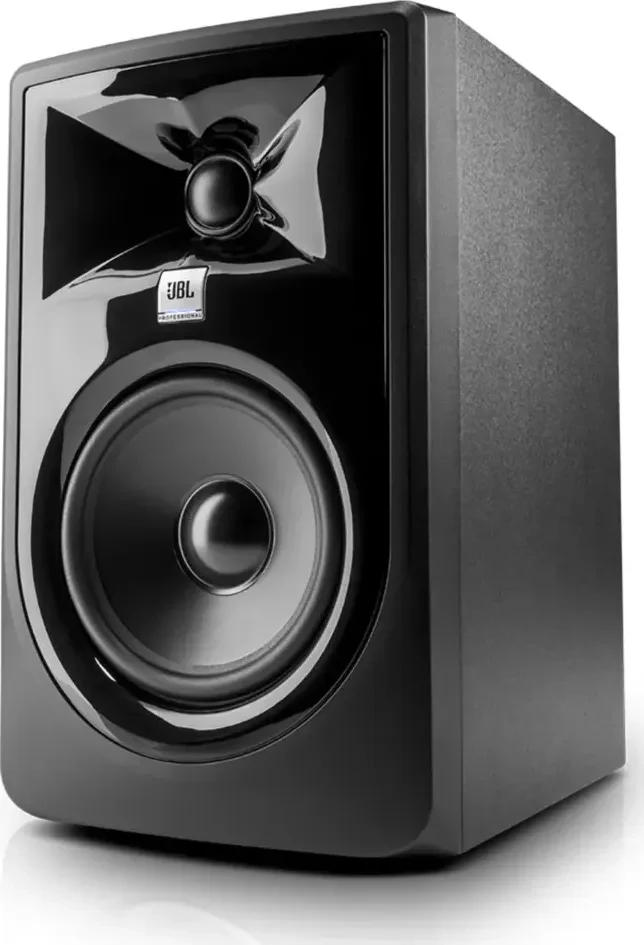
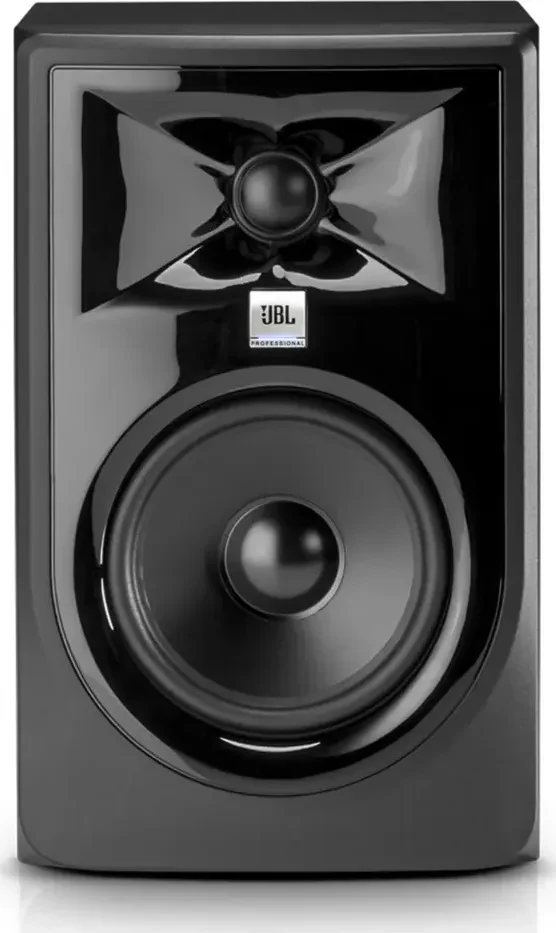
JBL 305P MkII
A bi-amped 5-inch monitor with a wide sweet spot and full bass for its size, but an audible hiss at idle.
Photos: JBL Professional
of 8 reviews recommend itand 96 owner reviews
Choose it over the iLoud Micro if your desk has room for two 5-inch cabinets. Its only inputs are balanced XLR and quarter-inch TRS, so a controller with RCA outputs needs RCA-to-TRS cables, and each speaker is sold singly. The complaint raised most is a hiss you can hear when nothing plays, so in a silent room, listen before you commit. If you want to plug a controller straight in and switch to club bass, the VM-50 does both.
- Best for
- A first pair of monitors for small rooms, home producers and DJs.
- Skip it if
- You work quietly in a silent room, or need sub-bass without a subwoofer.
What people praise
- Hard to beat for the price
- Clear, detailed sound that reveals more of a recording
What to know first
- Audible hiss from the tweeter at idle and low volume
- Flattering rather than neutral, with forward upper mids and treble
A cramped desk or a travel bag
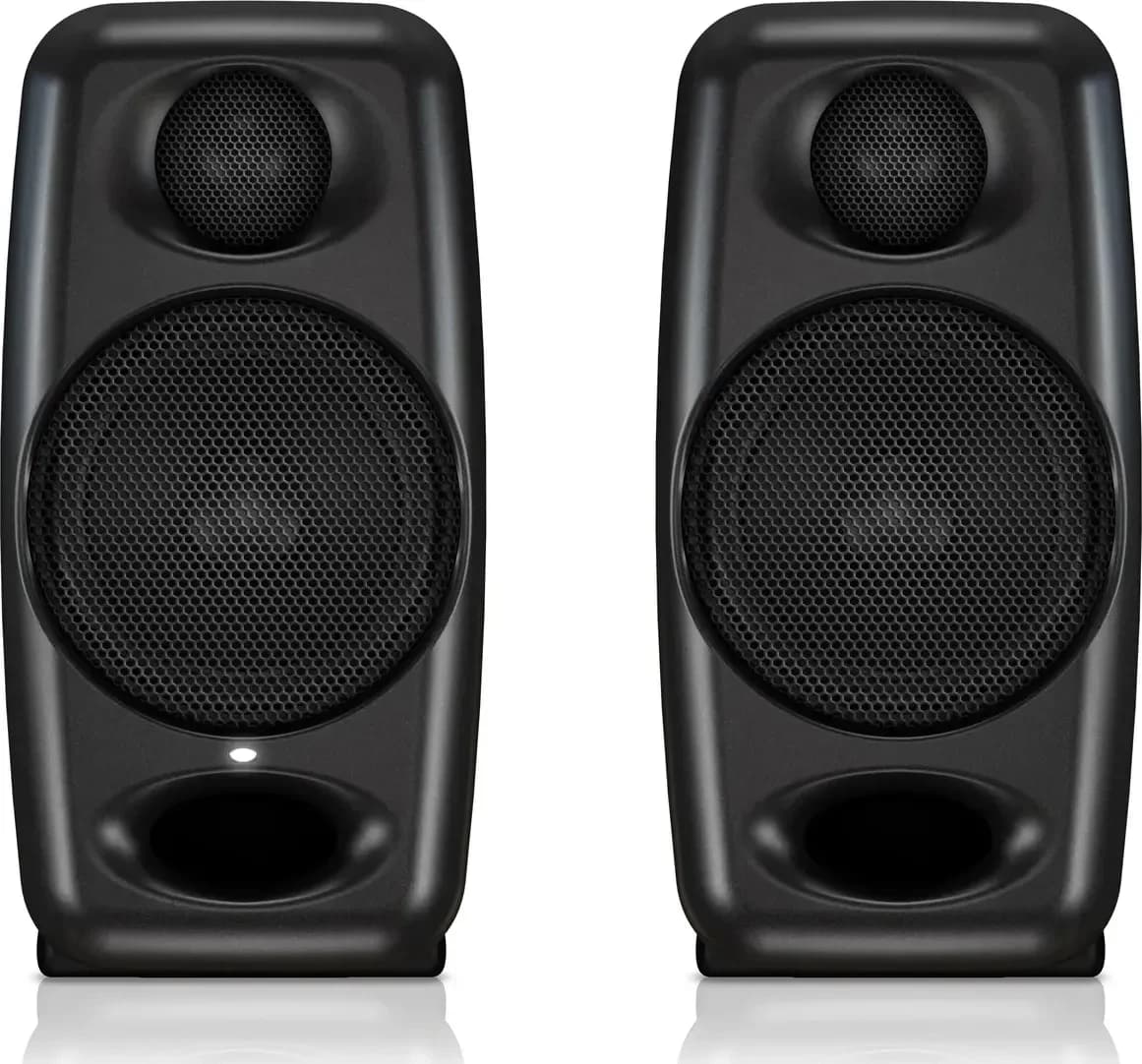
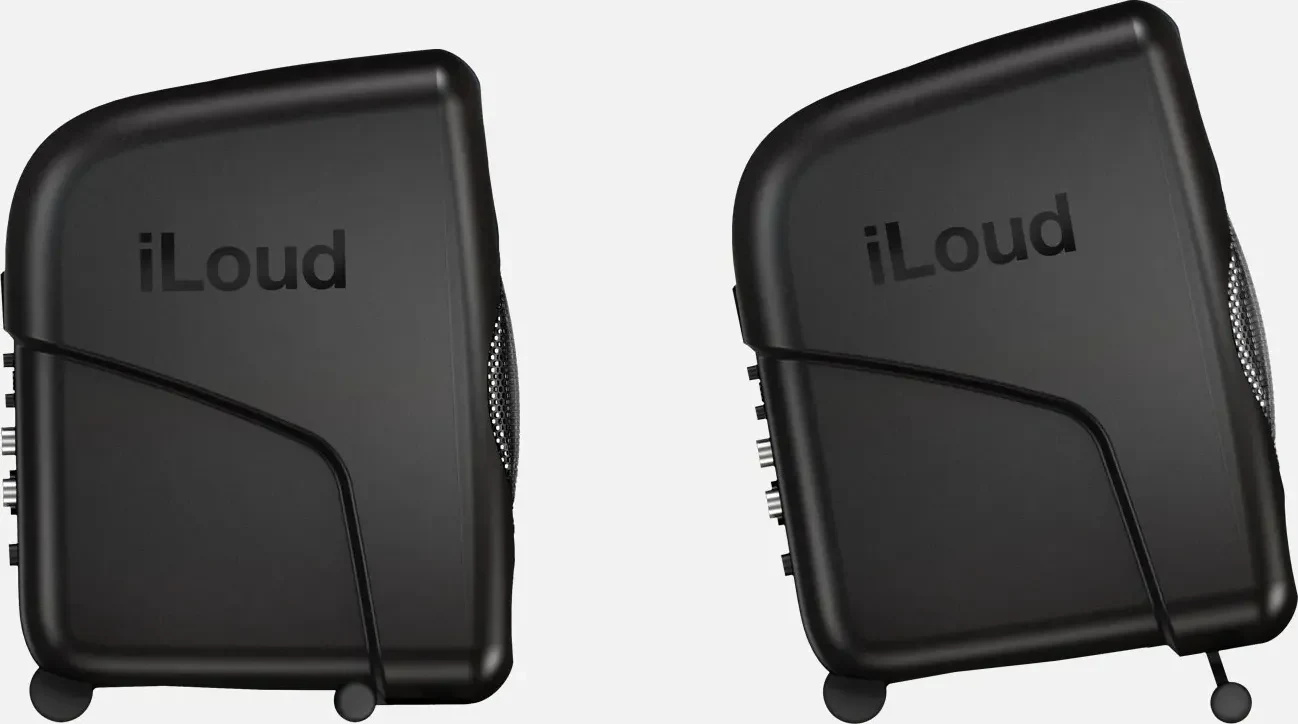
IK Multimedia iLoud Micro
A tiny 3-inch monitor pair with surprising bass and Bluetooth, but port noise when deep bass is pushed loud.
Photos: IK Multimedia
of 14 reviews recommend itand 63 owner reviews
Choose it over the 305P MkII if your desk is cramped or the speakers travel with you. It takes a controller's RCA output directly and a laptop on the 1/8-inch input; its Bluetooth is for listening only, as IK quotes 155 ms of lag on it. It has no XLR or quarter-inch inputs, and owners report port noise on deep bass when it is pushed loud, so it suits sensible volumes in a small room.
- Best for
- Cramped desks, travel rigs and small untreated rooms where bigger monitors won't fit.
- Skip it if
- You play bass-heavy music loud, or need XLR or quarter-inch inputs.
What people praise
- Sounds far bigger, with more bass, than a 3-inch pair should
- Small and light enough to fit a cramped desk or go in a bag
What to know first
- Port noise or distortion on deep bass when pushed loud
- Thick, stiff link cable that keeps them off the wall and can wear
Video reviews
- crinacleMay 2025Recommends
- OsirusJul 2025Recommends
DJing and producing on one pair
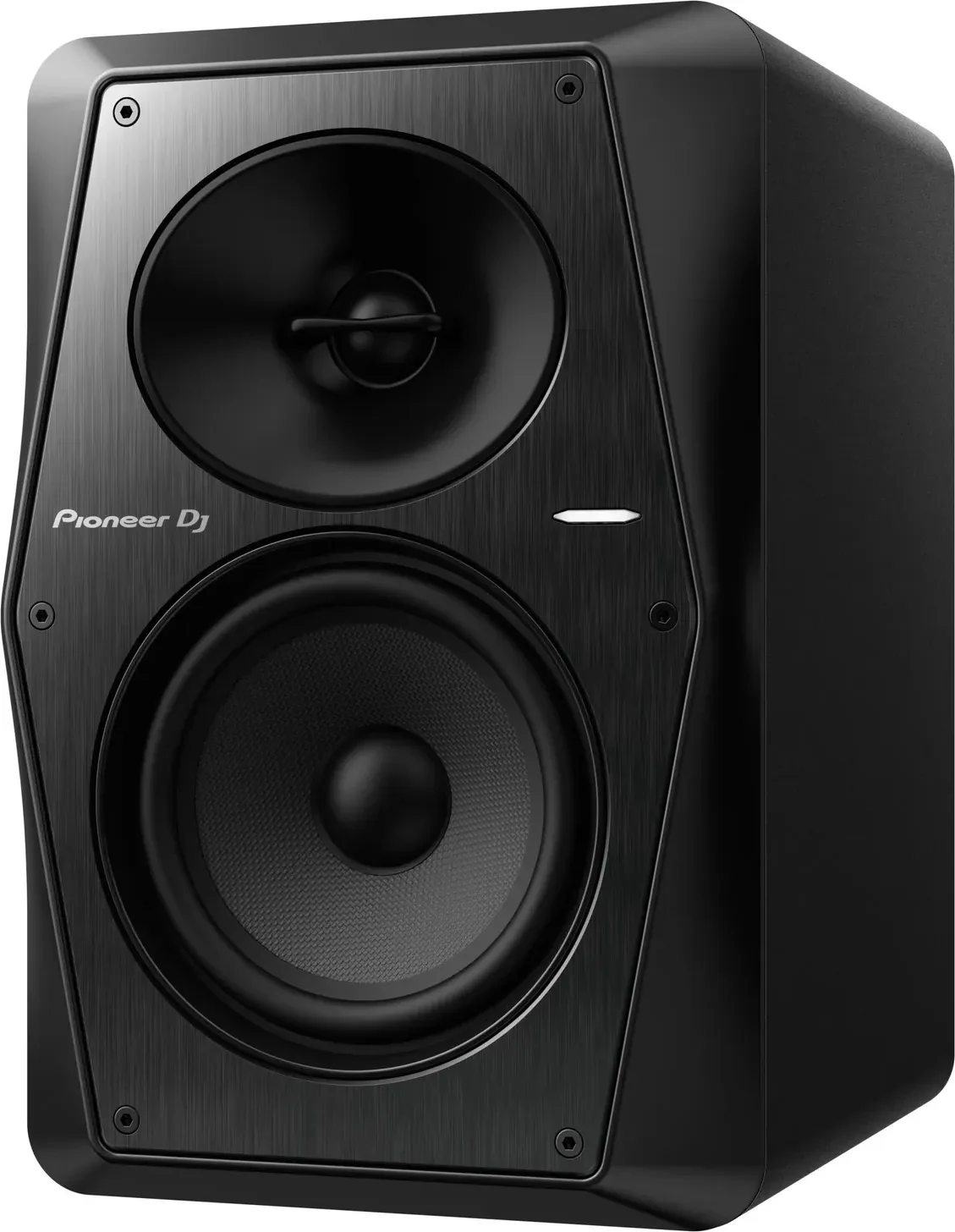
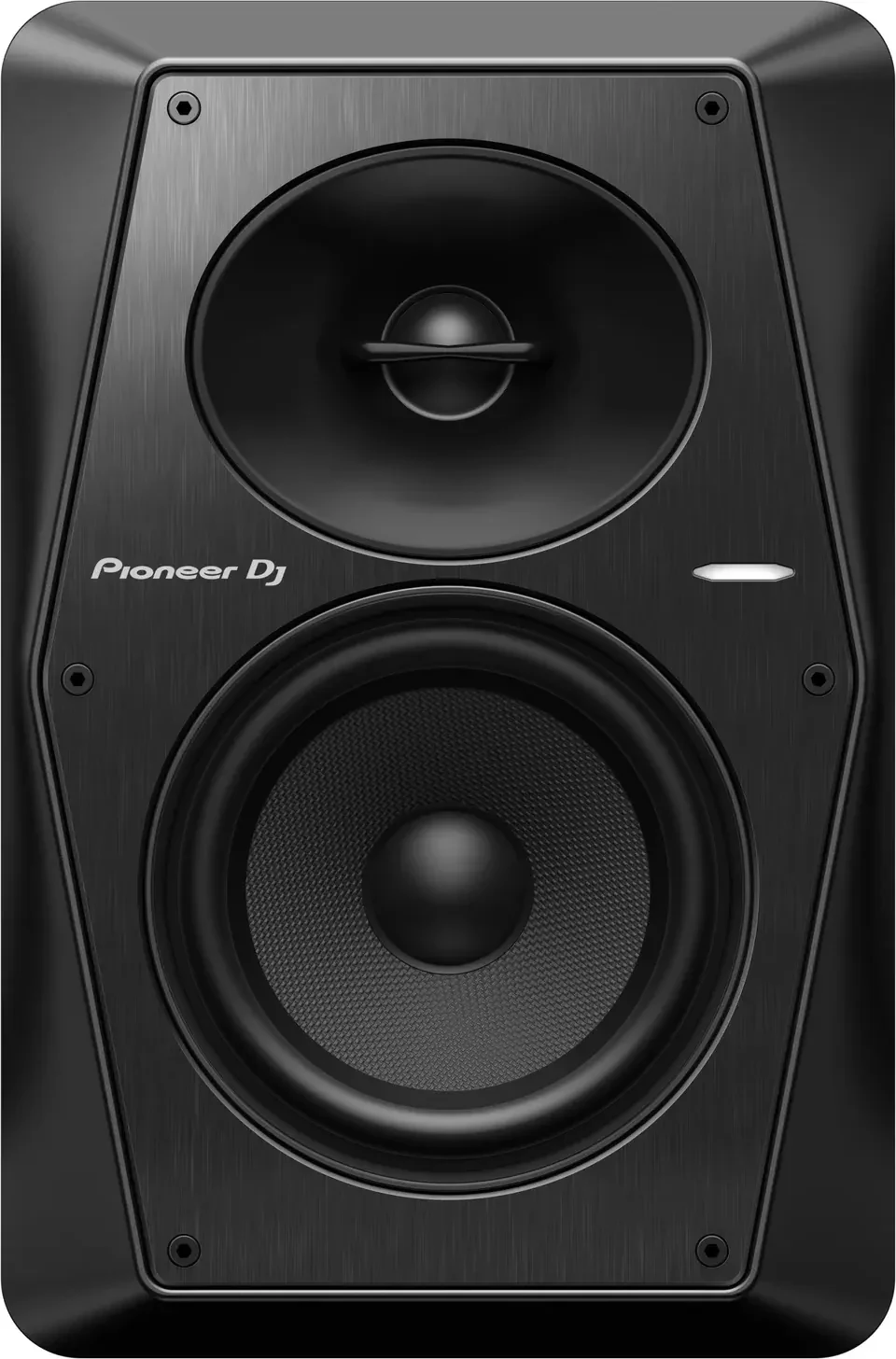
Pioneer DJ VM-50
A 5.25-inch monitor with flat or club-bass EQ presets and tight bass, but its rear port needs room behind it.
Photos: Pioneer DJ / AlphaTheta Corporation
of 6 reviews recommend itand 1 owner review
Choose it over the 305P MkII if you DJ more than you produce. It takes a controller's RCA output as well as XLR or TRS from a mixer, and rear EQ presets switch it between a flat voicing and club bass. Its bass port is on the back, so it needs space from the wall, and its evidence is thinner than the other picks': six professional reviews and one owner review. For a bigger room, the 6.5-inch VM-70 works the same way.
- Best for
- DJs who also produce and want one compact pair for a small room.
- Skip it if
- Your speakers must sit against a wall, or you need a strict flat reference.
What people praise
- Rear EQ presets switch it between a flat studio voicing and club bass
- Solidly built and good-looking, with a thick aluminium front baffle
What to know first
- Rear bass port needs space from the wall to avoid boom
- Less accurate than a dedicated studio reference
Video reviews
- Erin's Audio CornerJun 2021Recommends
- Edward SmithMay 2021Recommends
Mixing your own tracks
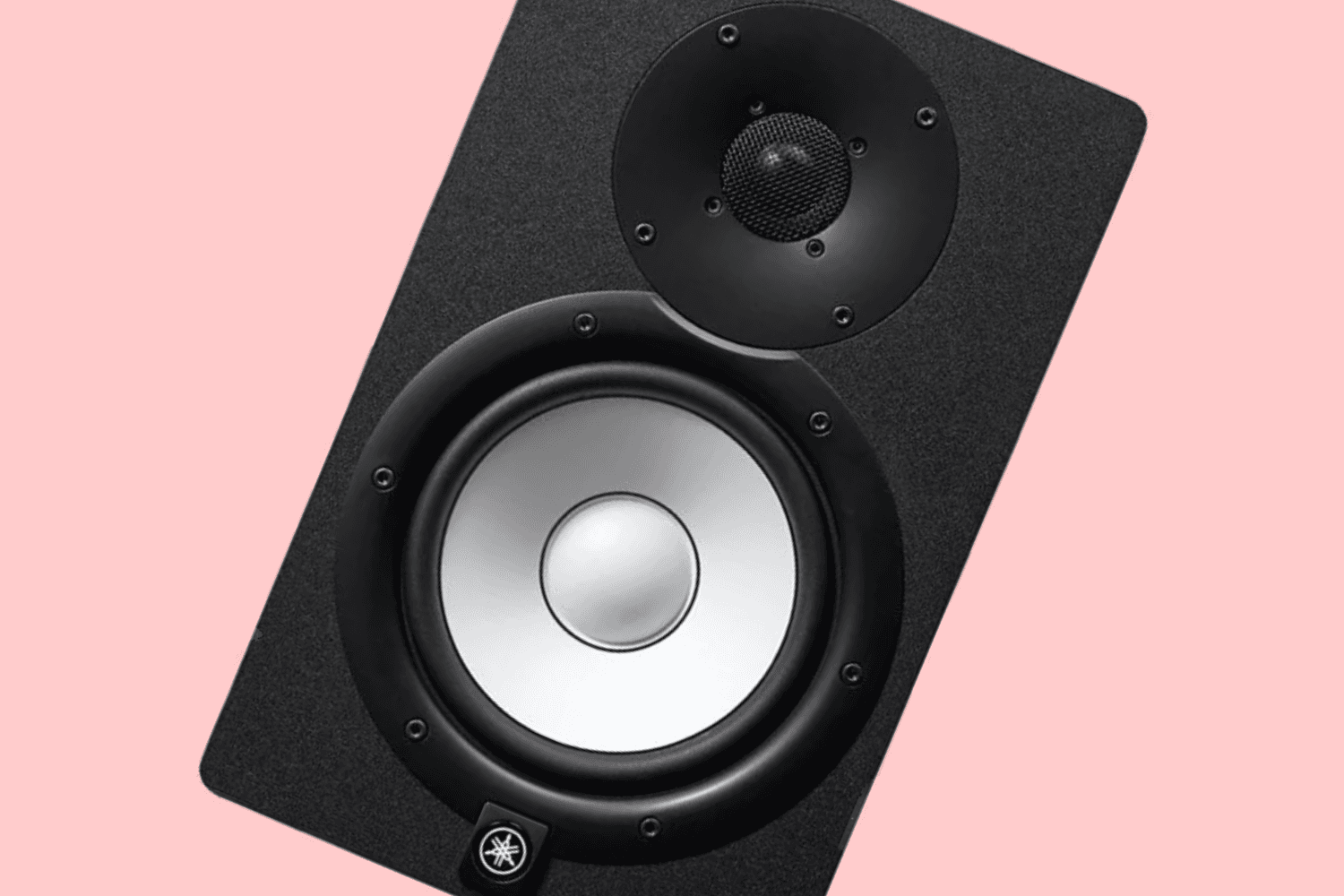
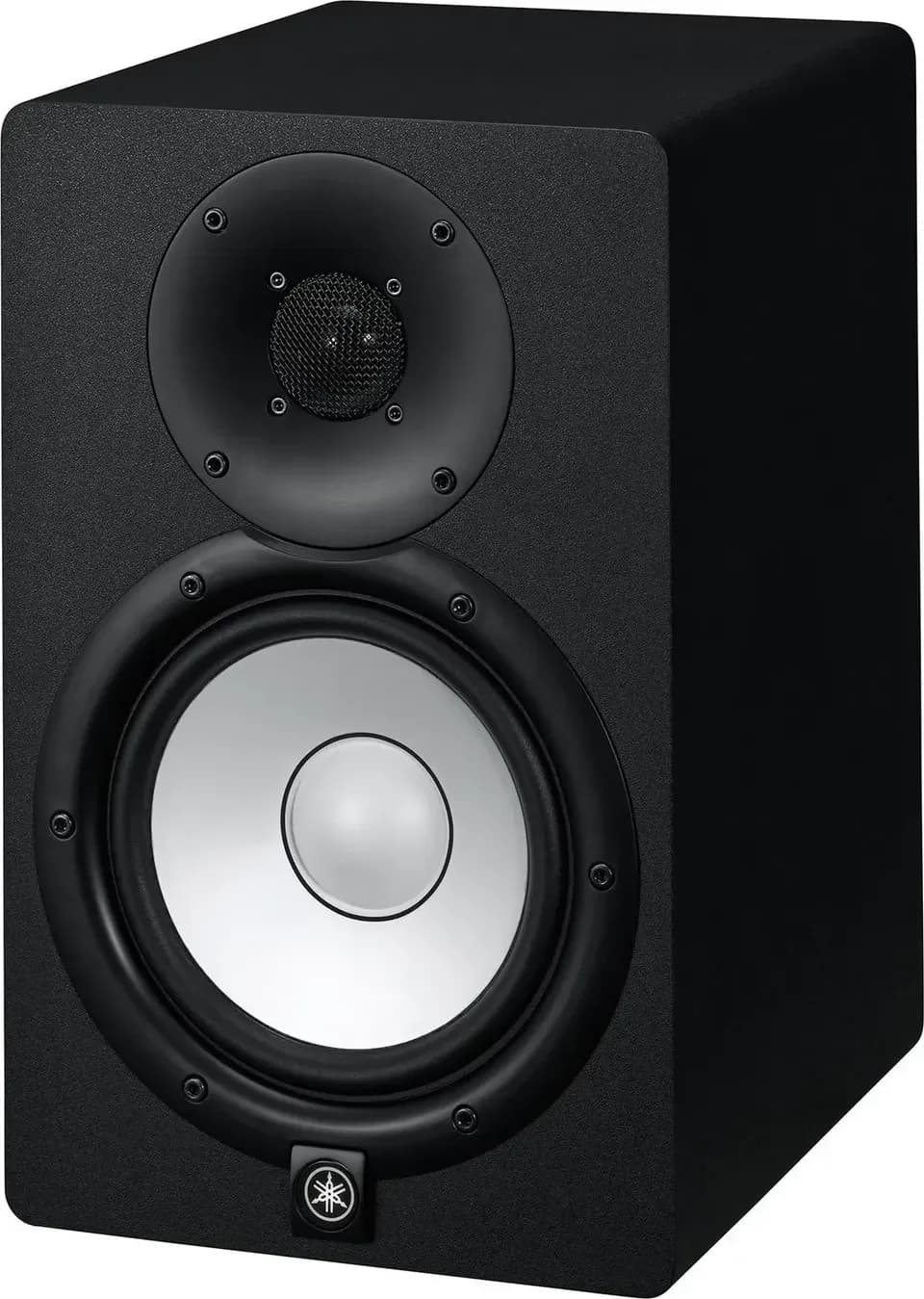
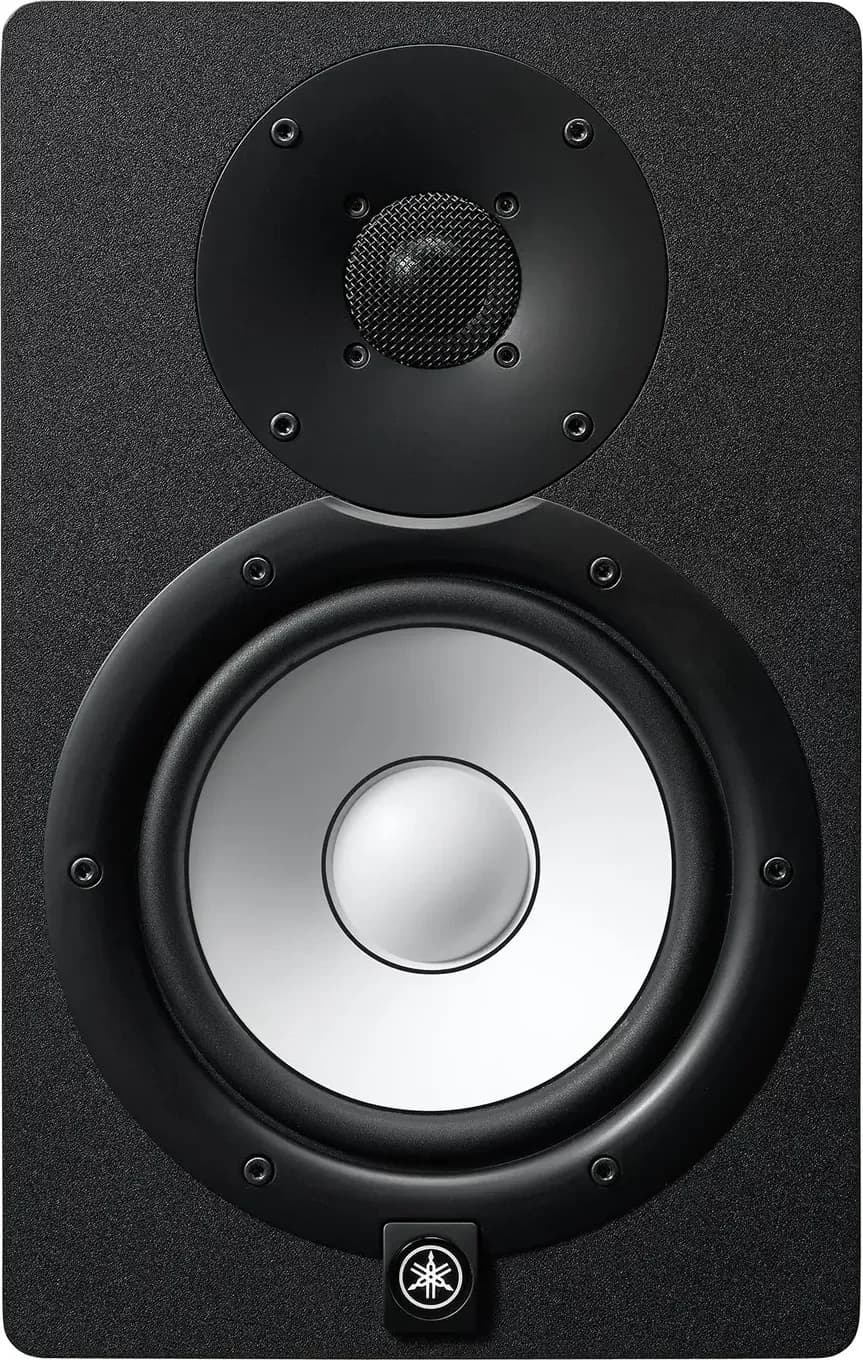
Yamaha HS7
A flat, revealing 6.5-inch monitor that reviewers and owners rate hard to beat for the price, if your room and placement are right.
Photos: Yamaha
of 10 reviews recommend itand 49 owner reviews
Choose it over the VM-50 if you make your own tracks and need mixes that translate to other systems. Its room-control and high-trim switches help in an untreated room, but the rear port makes placement matter, and bass-heavy producers add a subwoofer. It has no RCA input, so a controller's RCA output needs RCA-to-quarter-inch cables. The JBL 306P MkII under Also considered is the alternative if you want deeper bass and a wider sweet spot.
- Best for
- A flat, honest mix reference for a home studio at a mid-range price.
- Skip it if
- Your room is untreated, or you make bass-heavy music and won't add a sub.
What people praise
- Hard to beat for the price
- Clear, detailed sound that shows what is in a mix
What to know first
- Needs a treated room and careful placement because of the rear port
- Low end runs out; bass-heavy producers add a subwoofer
Video reviews
- ProbablyAwakeJun 2022Recommends
- Light LeakedJul 2020Mixed
A bigger room, no subwoofer
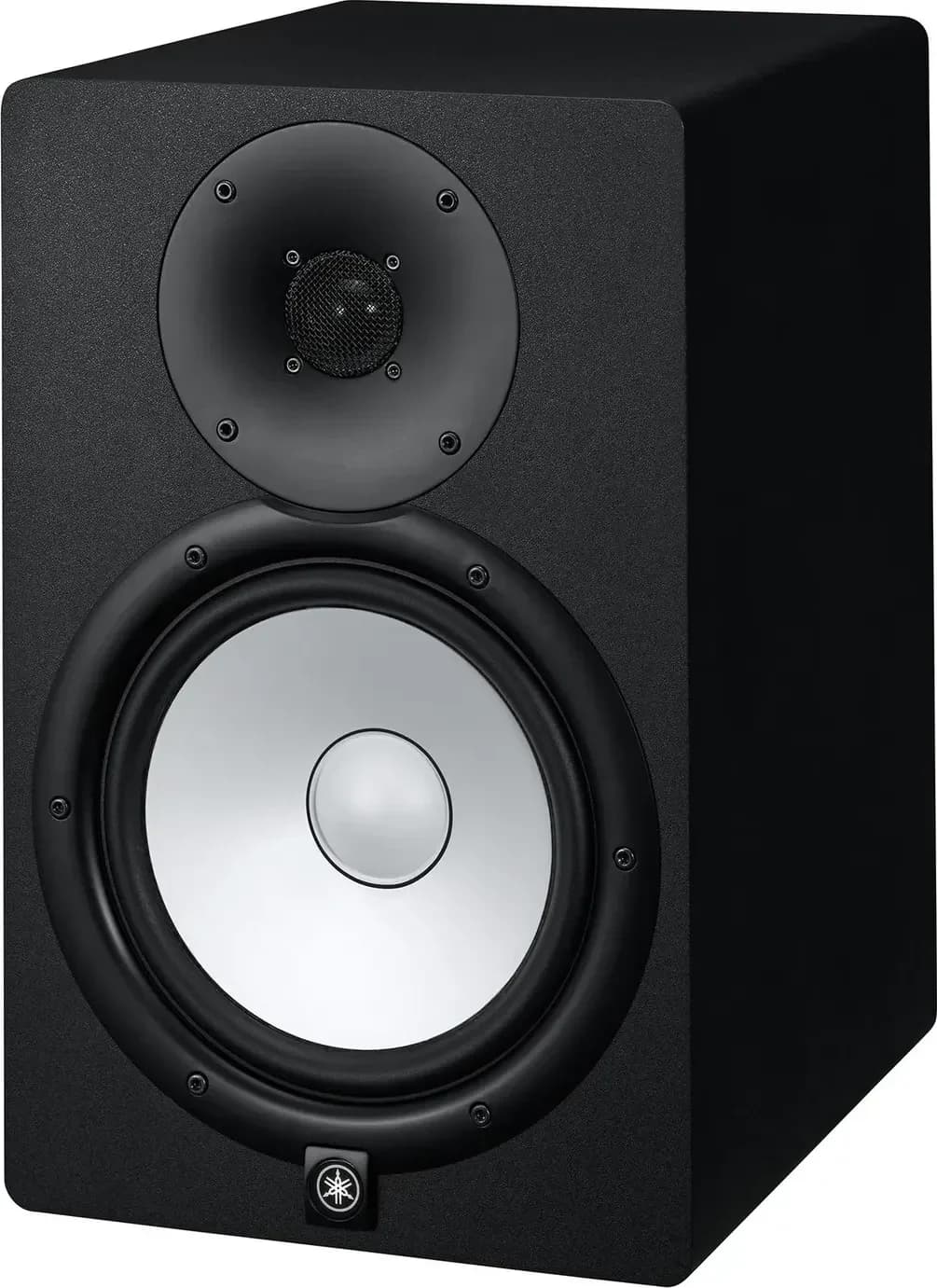
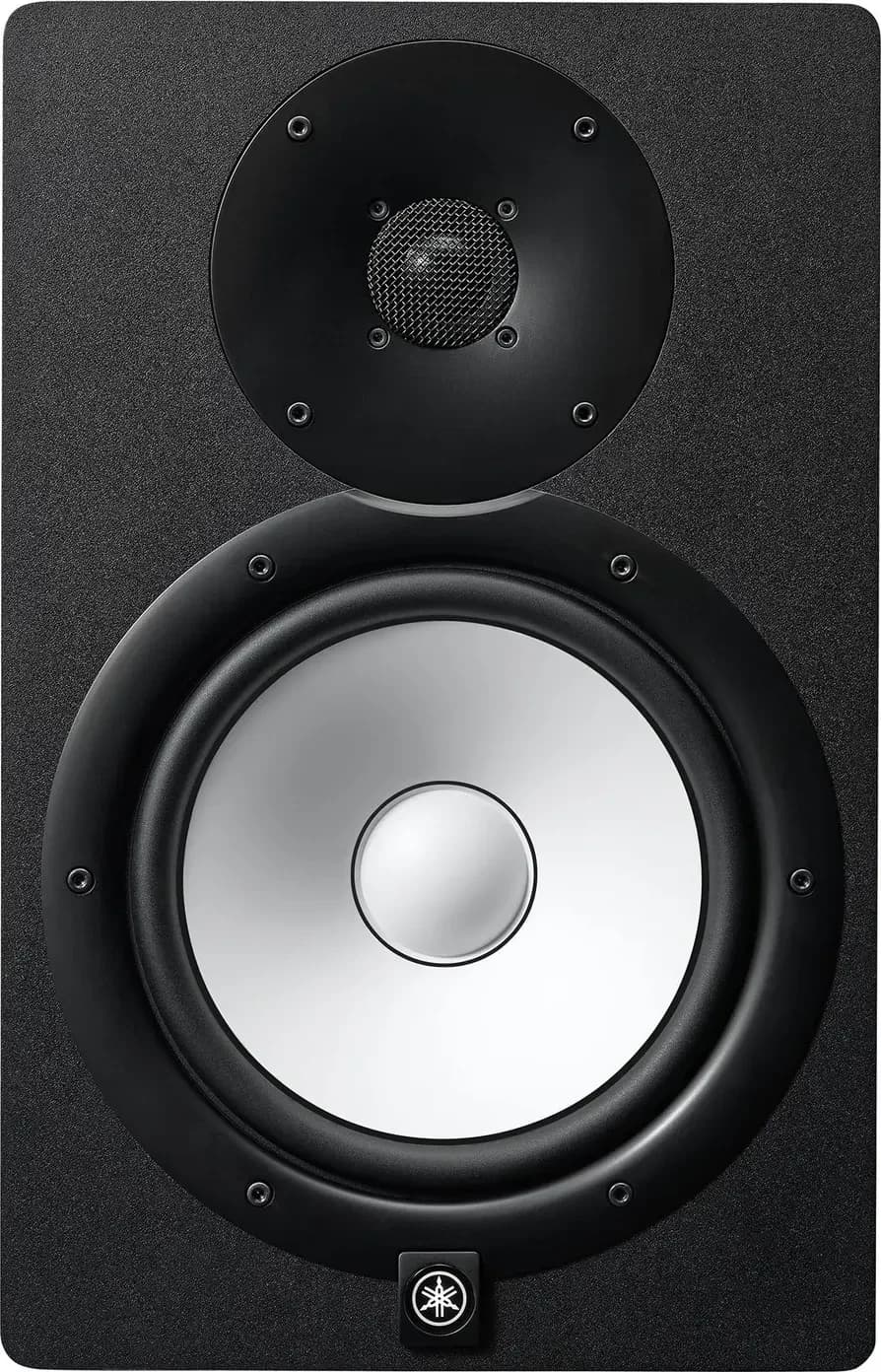
Yamaha HS8
An 8-inch nearfield with clear, revealing sound and real bass, but big enough to need a room to match.
Photos: Yamaha
of 16 reviews recommend itand 66 owner reviews
Choose it over the HS7 if your room is medium or large and you want the bass without a subwoofer. In a small room it is too much, reviewers and owners say, and the HS7 suits it better. Yamaha advises at least 1.5 m from walls and corners, and the same RCA cable caveat applies.
- Best for
- Producers mixing in a medium or large room who want bass without a sub.
- Skip it if
- You mix in a small room; the HS5 or HS7 suit it better.
What people praise
- Clear, detailed sound that exposes problems in a mix
- Hard to beat for the price
What to know first
- Big and heavy: suits a medium or large room, too much for a small one
- Treble can sound bright or tiring, and some hear scooped mids
Video reviews
- ProbablyAwakeMay 2024Recommends
- Edward SmithJan 2022Recommends
Small gigs without mains power
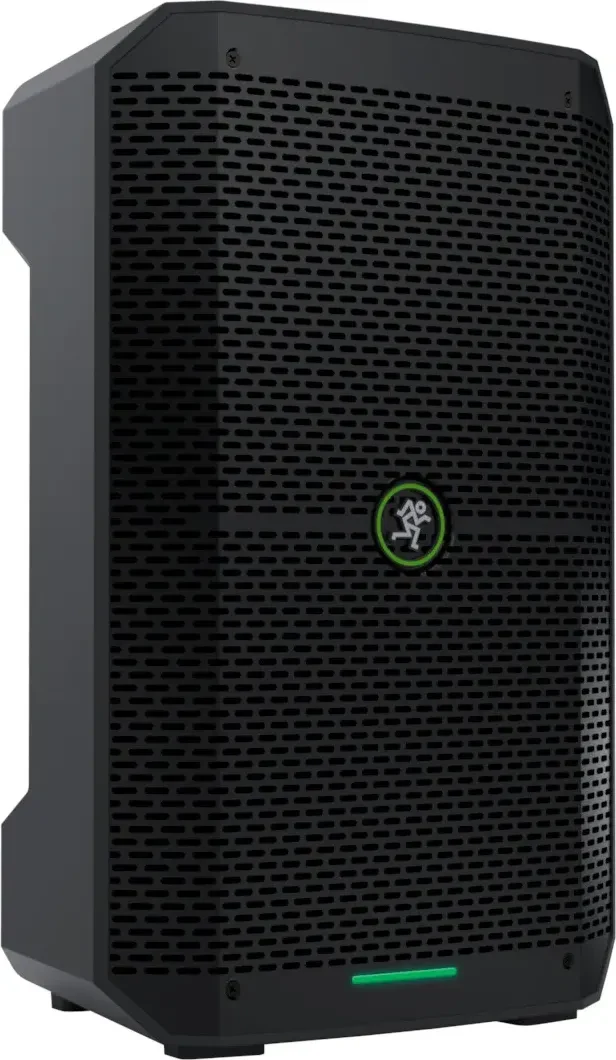
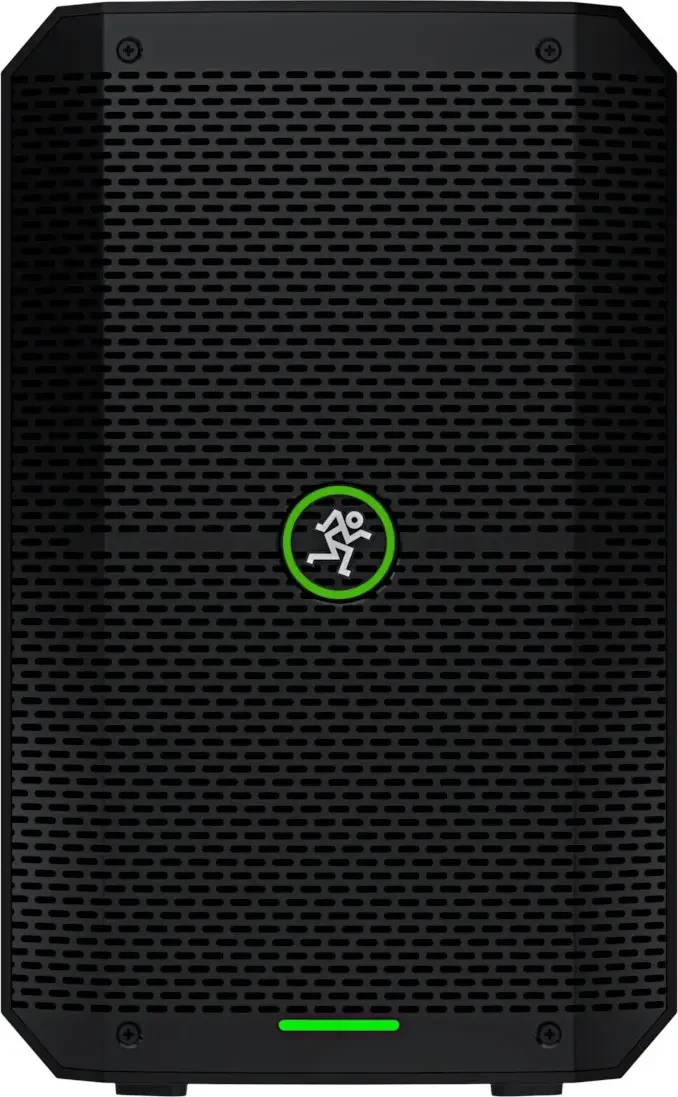
Mackie Thump GO
A light battery PA with clear, punchy sound and a two-channel mixer, but limited headroom for bigger events.
Photos: Mackie
of 8 reviews recommend itand 48 owner reviews
Choose it over studio monitors once you play out: outdoor sets, ceremonies and other small events with no socket nearby. Its two combo inputs take a DJ mixer's output and a mic, and the battery is removable, so a spare swaps in for long gigs. Reviewers and owners agree it runs out of headroom in larger rooms and next to loud bands. Two units can be linked, and Mackie's ThumpSub GO adds bass.
- Best for
- Small outdoor gigs, buskers and ceremonies where there is no mains power.
- Skip it if
- You need to fill a large room or keep up with a loud band.
What people praise
- Clear, punchy sound with more output than an 8-inch box suggests
- Battery lasts a full event, and the pack is removable and swappable
What to know first
- No onboard EQ or vocal effects; only voicing presets and a bass and treble EQ in the app
- Runs out of headroom for larger events or loud bands
Mains-powered gigs
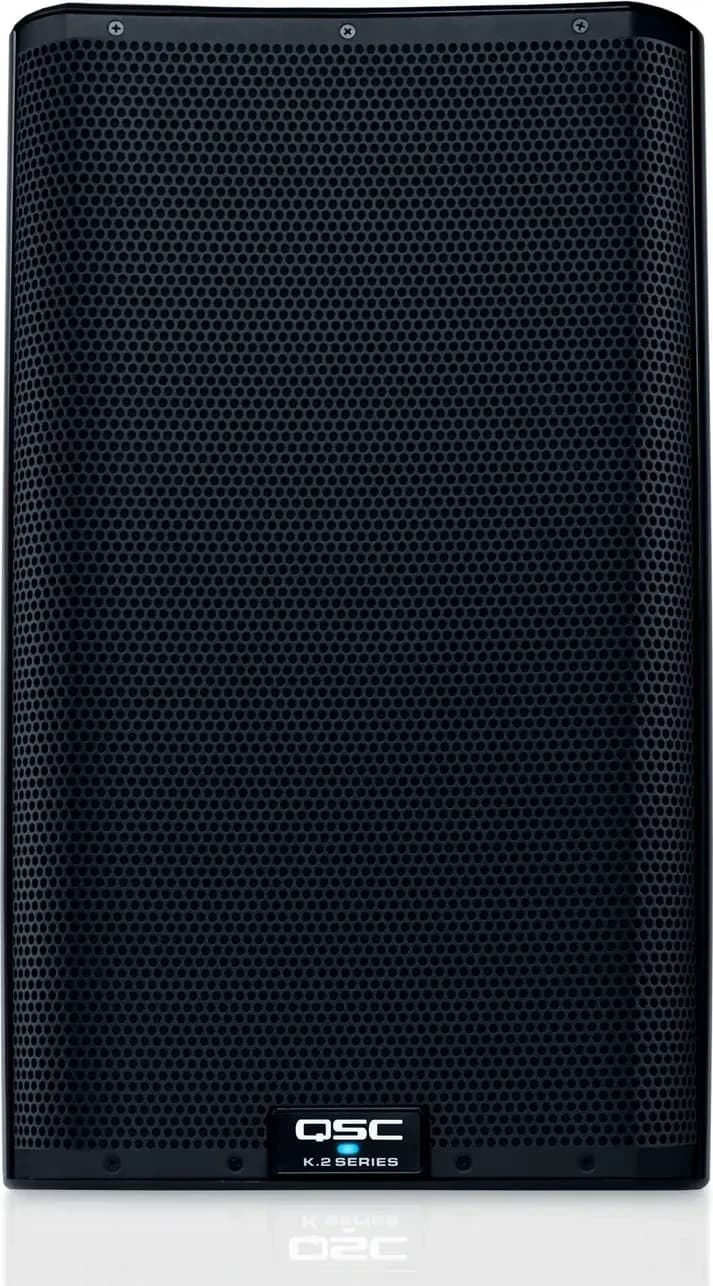
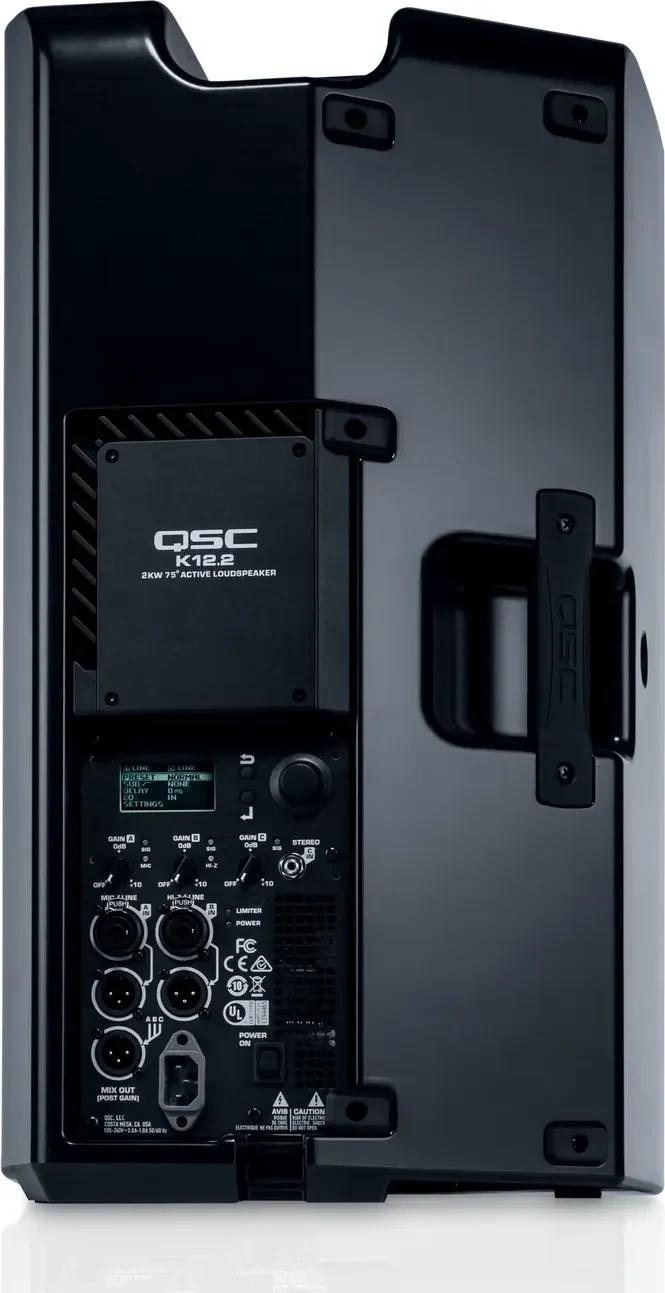
QSC K12.2
A 12-inch powered PA speaker with clean, loud sound and flexible presets; deep bass wants a sub, and no Bluetooth.
Photos: QSC
of 9 reviews recommend itand 99 owner reviews
Choose it over the Thump GO for weddings, halls and bars with a socket, where the GO runs out of headroom. Reviewers and owners agree it stays clear and clean at high volume, with level to spare, and at 17.7 kg it is light for a 12-inch speaker; its three-input mixer and presets suit a DJ set, a band and speech, and it doubles as a floor monitor. It has less deep bass than the original K12, so DJs playing full-range sets add a subwoofer, a few owners report amplifier failures, it costs more than many 12-inch rivals, and it has no Bluetooth. QSC's warranty runs six years when registered. Buy two for stereo.
- Best for
- Mobile DJs, bands and venues wanting a light, loud 12-inch speaker with presets.
- Skip it if
- You want Bluetooth streaming, or deep dance-floor bass without adding a subwoofer.
What people praise
- Clear, clean sound that holds together at high volume
- Loud, with headroom to spare at weddings, gigs and halls
What to know first
- Less deep bass than the original K12; DJs add a subwoofer for full-range sets
- Amplifier failures or units that stopped producing sound
Also considered
- JBL 306P MkII. The 305P MkII's 6.5-inch sibling and the closest rival to the HS7: nine of ten reviews recommend it for deep bass and a wide sweet spot. Idle hiss is again the complaint raised most.
- Yamaha HS5. All nine reviews recommend this smaller HS for a desk or small room. Its light low end is the reservation owners raise most by a wide margin, and many say they wish they had bought the HS7.
- PreSonus Eris E4.5. A budget desktop pair with front volume, aux input and headphone jack. Its bass stops around 70 Hz and two comparisons hear little gain over the cheaper Eris E3.5, so the iLoud Micro has the stronger case.
- KRK Kreate 5. All twelve reviews recommend it as a good-value first monitor, two of them paid promotions, and it takes RCA and Bluetooth as well as XLR/TRS. It isn't a pick because the 305P MkII has far more owner evidence for a first pair and the VM-50 adds a club-bass preset for DJ practice; reviewers find the Kreate 5 smooth but flattering, with deep bass that runs out. The best 5-inch studio monitors guide picks it for a desk that also plays from a phone.
- KRK Kreate 8. All four reviews recommend it, one a paid promotion, for bass that fills a room without a subwoofer, and the four owner reviews read are positive. That is too little evidence to set against the HS8's for a bigger room, and it leans warm and bass-heavy rather than flat.
- KRK Classic 8 and the Rokit G4 range. All are on KRK's legacy list, so they are no longer made. Gibson, KRK's parent company, names the Kreate series as the new entry line, with the Kreate 8 replacing the Classic 8.
- Pioneer DJ DM-40D and DM-50D. Pioneer DJ's 4-inch and 5-inch desktop monitor systems. Neither has a record yet, so neither can be compared with the VM-50 on equal terms.
- Bose S1 Pro+ and JBL EON One Compact. Two battery PAs in the Thump GO's class. Neither has a product page or a record yet.
- AlphaTheta WAVE-EIGHT. All 13 reviews recommend this battery speaker for SonicLink, which lets a DJ mix wirelessly without lag they can hear, strong bass for an 8-inch woofer and about eight hours a charge, and its wheels and telescopic handle make it easy to move. It isn't a pick because it costs about three times the Thump GO, which only pays off if you need the wireless link, its wheels wobble on rough ground, and only one owner review was long enough to read.
- Other mains-powered PA speakers. Owners of the Behringer Eurolive B210D mostly use it as a stage monitor or small-room PA and find its headroom limited for larger rooms; it is a budget choice, not a rival to the K12.2. The Mackie C300z is passive, so it needs a separate amplifier, and no reviews of it could be found. The Mackie Thump12A and JBL EON610 are no longer made.
- Subwoofers. The Mackie ThumpSub GO pairs with the Thump GO, and the JBL EON718S is an 18-inch sub whose three reviews and 16 owners describe deep, powerful bass for events, though one owner's side-by-side test found it distorts sooner than a rival. The best powered subwoofers guide covers the choice.
How to choose DJ speakers
Monitors or PA speakers
Studio monitors are built to sit close to you at moderate volume and show what is in a mix, which is what a home setup needs. PA speakers are built to project sound across a room, and battery models like the Thump GO add a mixer so you can plug in a mic. The explainer on studio monitors and speakers covers the difference. Most DJs start with monitors and add a PA when they start playing out. Monitors pushed to party volume distort, as owners of the smaller picks report; a house party is PA territory.
How much to spend
The table above shows today's price for each pick in your country; at the end of October 2026 the order in the US ran from the 305P MkII, at about $130 a speaker, to the K12.2 at about $800. Monitors are sold singly, so a stereo pair means two, and that puts the cheapest real pair here at about $260, with the Yamaha HS5 and KRK Kreate 5 close behind; in the UK the Kreate 5 was the cheapest at about £115 each. The iLoud Micro is priced as a pair. The step up to the HS7, HS8 and VM-50 buys a bigger woofer, more bass and, on the Yamahas, a flatter balance for production. For gigs, the Thump GO at about $350 is the cheapest speaker here that can face a room, and the K12.2 costs more than twice that for the headroom a hall needs. A cheap PA speaker such as the Behringer B210D saves money at the cost of headroom, and reviewers' rule holds across the list: bigger rooms need bigger boxes, not louder small ones.
Monitors for a DJ setup
A DJ desk differs from a producer's in two ways: the source is usually a controller with RCA outputs, and the music is played loud for the fun of it, not analysed. The VM-50 and the 6.5-inch VM-70 take RCA directly and have a club-bass preset for exactly that; the iLoud Micro and the Kreate 5 take RCA too. The JBL and Yamaha monitors need RCA-to-TRS cables, and their flat balance is a producer's virtue rather than a DJ's. Owners of the 305P MkII and 306P MkII mention a hiss at idle, which matters more in a quiet bedroom than a club. A pair of 5-inch monitors is enough for a bedroom; the 5-inch monitors guide compares that class in depth.
PA speakers for gigs
Two questions decide the PA: is there a socket, and how big is the room. With no socket, the Thump GO runs a full event on its removable battery and takes a mic through its own mixer; reviewers and owners agree it runs out of headroom in larger rooms and next to loud bands. With a socket, the K12.2 has the headroom for weddings, halls and bars and stays clean when loud. For either, DJs playing bass-heavy sets add a subwoofer, because one 8-inch or 12-inch woofer is no match for a subwoofer on a dance floor. Buy two tops for stereo, and remember that a PA speaker is sold without stands or cables.
Small and portable speakers
For a desk that has to stay small, the iLoud Micro Monitor is the pair reviewers and owners say sounds far bigger than its 3-inch woofers, and it fits a bag. For small speakers that face a room, the Thump GO is the light one, and the WAVE-EIGHT under Also considered adds wheels, a handle and a wireless link to the mixer at a much higher price. The portable PA systems guide covers more battery options.
Size for the room
Small woofers suit a desk and a small room; bigger ones bring more bass and need more space. The reviews and owners behind these picks draw the same lines: the iLoud Micro for a cramped desk, 5-inch monitors for a small room, the HS7 for most home rooms, and the HS8 only where there is space around it. If you play bass-heavy music on smaller monitors, a subwoofer fills the gap; see the best powered subwoofers and where to place one.
Inputs and cables
Entry controllers such as the DDJ-FLX4 have a single RCA output. The iLoud Micro and the VM-50 take RCA directly. The JBL and Yamaha monitors take only XLR and quarter-inch TRS, so you need RCA-to-TRS cables, which make an unbalanced connection. Unbalanced cables pick up hiss and buzz more easily, an issue some HS5 owners report; the guide to DJ cables explains the types and speaker interference covers the fixes.
Placement
Most monitors here have their bass port on the back, so they need space from the wall to avoid boom. Rear switches such as Yamaha's room control and JBL's boundary EQ cut bass when a speaker has to sit near a wall. JBL recommends stands over the desk itself. The explainer on front and rear ported speakers covers how port position affects where they can go.
What else you'll need
The JBL, Yamaha and Pioneer DJ monitors are sold singly, so a stereo pair means buying two, and none of them includes signal cables. You also need a source: a DJ controller or mixer, and DJ headphones to cue the next track. For more battery and mains PA options, see the best portable PA systems.
How these picks are made
Each pick is the speaker with the strongest evidence for its situation. The evidence is what professional reviews conclude and what owners report on retailer sites, compiled for each product, with every source linked on its product page. No speaker here was tested in a lab. Prices come from daily tracking across the retailers we link to, and the status beside each one compares today's price with the lowest recorded. The methodology explains the whole process.