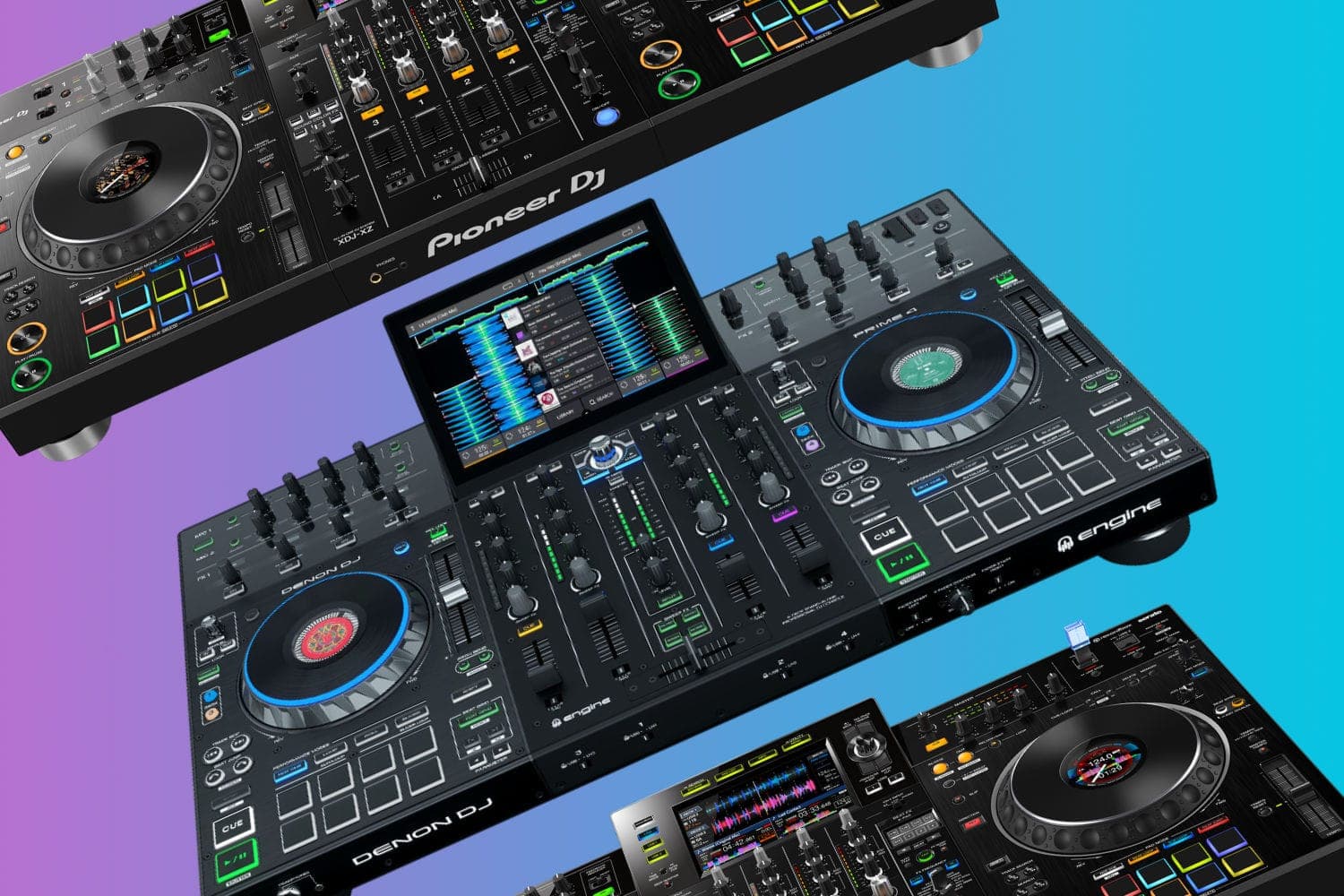
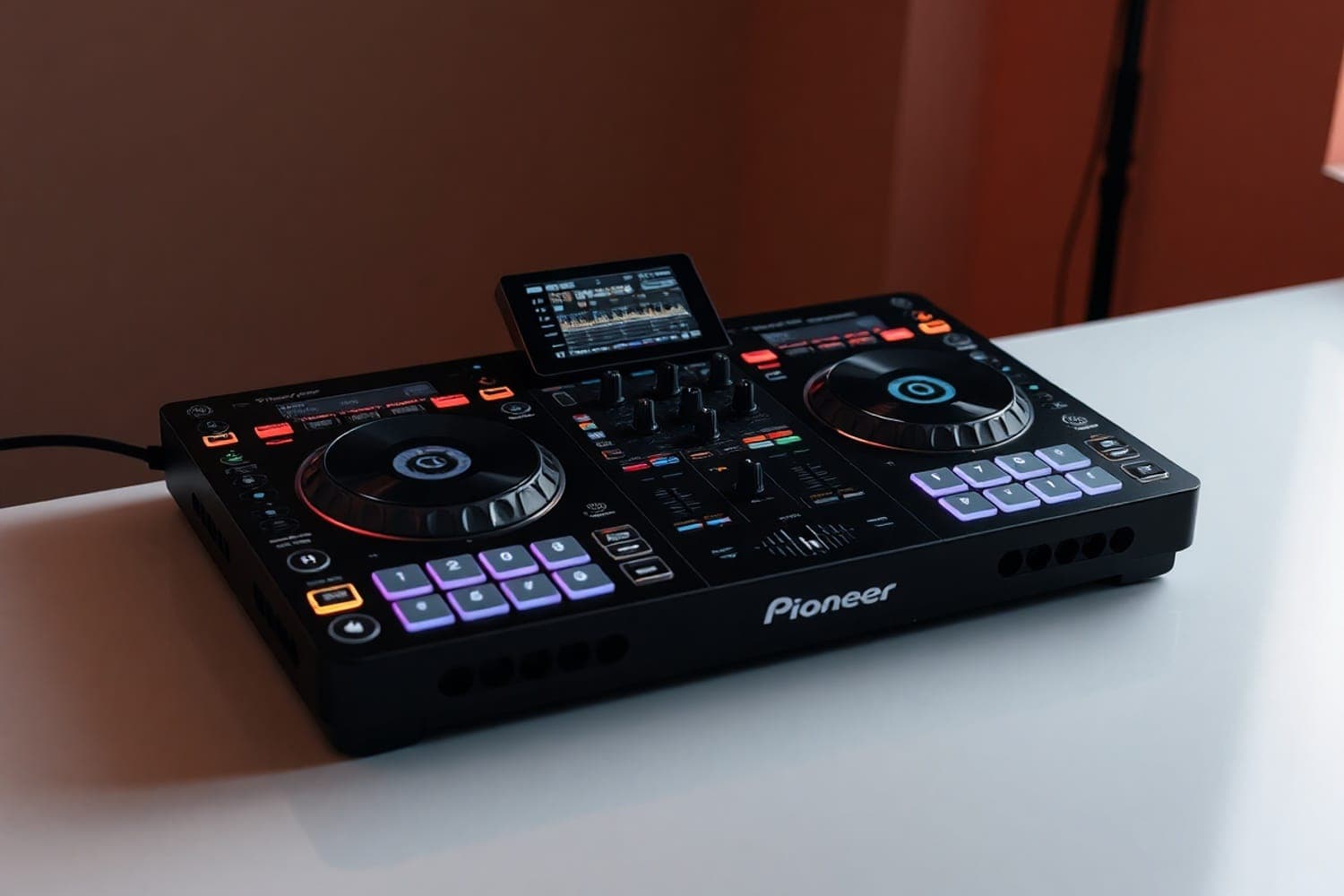
A standalone DJ controller — also called an all-in-one — lets you DJ without a laptop. Load your music onto a USB drive, plug it in, and you're ready to play. No software crashes, no cable management, no laptop to worry about.
That convenience comes at a higher price than standard controllers, so choosing the right one matters. We've tested standalone units from Pioneer DJ, Denon DJ, and Numark across every price point. Every pick below was re-checked against live retailer stock in August 2026 — two long-time favourites that have since been discontinued, the original Denon Prime 4 and the Pioneer XDJ-XZ, have been replaced with units you can actually buy new. Here are our top picks.
What to Look For
Software platform. The two main ecosystems are Pioneer DJ's rekordbox and Denon/Numark's Engine DJ. Rekordbox is the club standard — if you play venues with CDJs, keeping your library in rekordbox makes life easier. Engine DJ supports Wi-Fi streaming (Tidal, SoundCloud Go+, Beatport Link, Amazon Music) and can import rekordbox libraries. That streaming edge has narrowed, though: AlphaTheta's newer units (OPUS-QUAD, OMNIS-DUO, XDJ-AZ) gained Beatport Streaming and TIDAL via StreamingDirectPlay firmware in 2024.
Screen size and quality. You're replacing your laptop screen with whatever's built into the unit. Larger touchscreens (10"+) make library browsing and waveform reading far easier. Smaller screens (7") work but feel cramped for long sessions.
Channel count. Two-channel units are simpler and more portable. Four-channel units let you layer more sources — extra decks, samplers, microphones — but add weight and complexity. Most DJs only use two channels at a time.
Build quality and weight. Standalones take a beating at gigs. Look for metal chassis, quality jog wheels, and solid fader feel. But also consider weight — a 4-channel flagship can exceed 10 kg, which matters if you're carrying it to every gig.
Connectivity. USB inputs for media, XLR/RCA outputs for speakers, and ideally a booth output for monitor speakers. Some units add Bluetooth, Wi-Fi, and SD card slots for extra flexibility.
1. Denon DJ SC LIVE 4
Editor's Choice
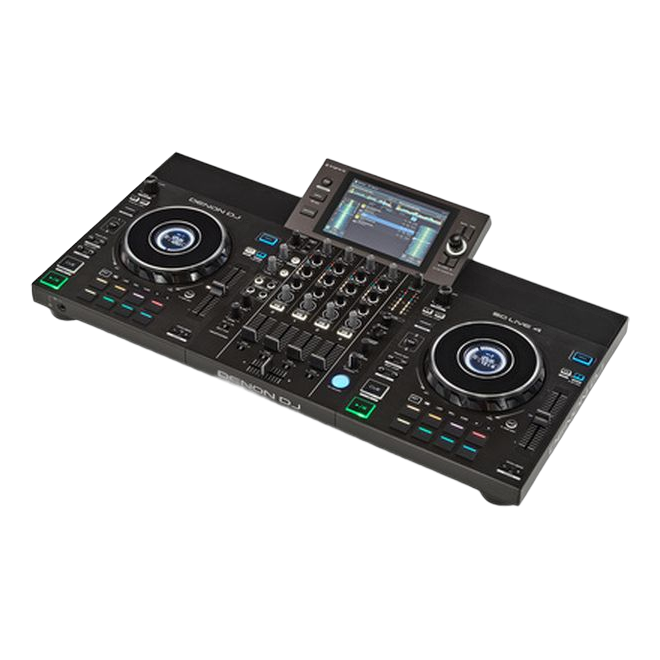
| Spec | Detail |
|---|---|
| Channels | 4 |
| Screen | 7-inch HD touchscreen |
| Software | Engine DJ |
| Speakers | Built-in |
| Streaming | Tidal, SoundCloud Go+, Beatport Link, Amazon Music |
| Rating | 8.5 |
The original Denon Prime 4 held this spot from the day we published this guide, but it has been discontinued — you can't buy one new anymore. Its natural heir in our tested line-up is the Denon DJ SC LIVE 4, and at around $1,299 it lands right in the sweet spot most standalone buyers are shopping in.
You get the full Engine DJ experience — Wi-Fi streaming from Tidal, SoundCloud Go+, Beatport Link, and Amazon Music, clean rekordbox library imports, and a responsive touchscreen — plus something no other unit on this list offers: built-in speakers. For practice sessions without monitors, that's genuinely useful rather than a gimmick.
The trade-offs are honest ones. The 7-inch screen gets cramped when you're juggling all four decks, and the build is heavy plastic rather than the metal of the old Prime series — there's no SATA drive bay either. If you want Denon's true flagship experience, the newer Prime 4+ carries that torch (we haven't put one through a full review yet). But as the most complete standalone you can buy new at this price today, the SC LIVE 4 earns the top spot.
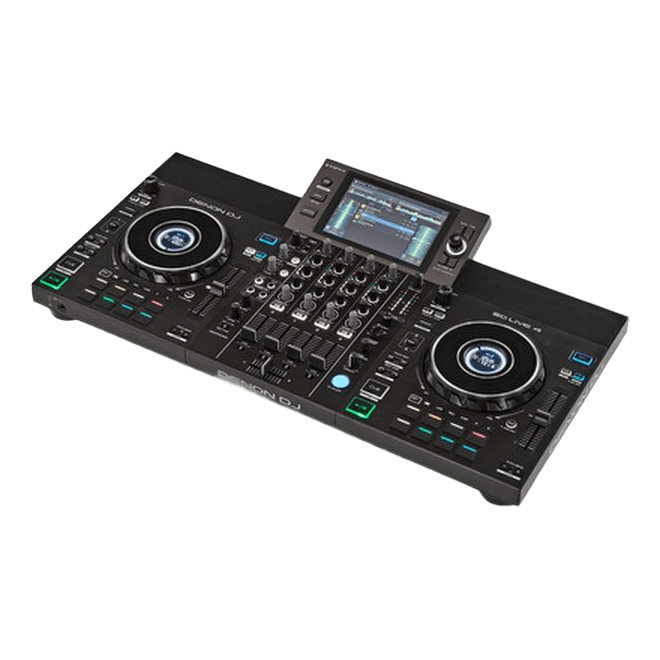
Denon DJ SC Live 4 and SC Live 2
So Denon DJ’s SC Live 4 and SC Live 2 standalone DJ controllers are a very interesting set of DJ controllers to grade....
2. Pioneer DJ Opus Quad
Best Premium
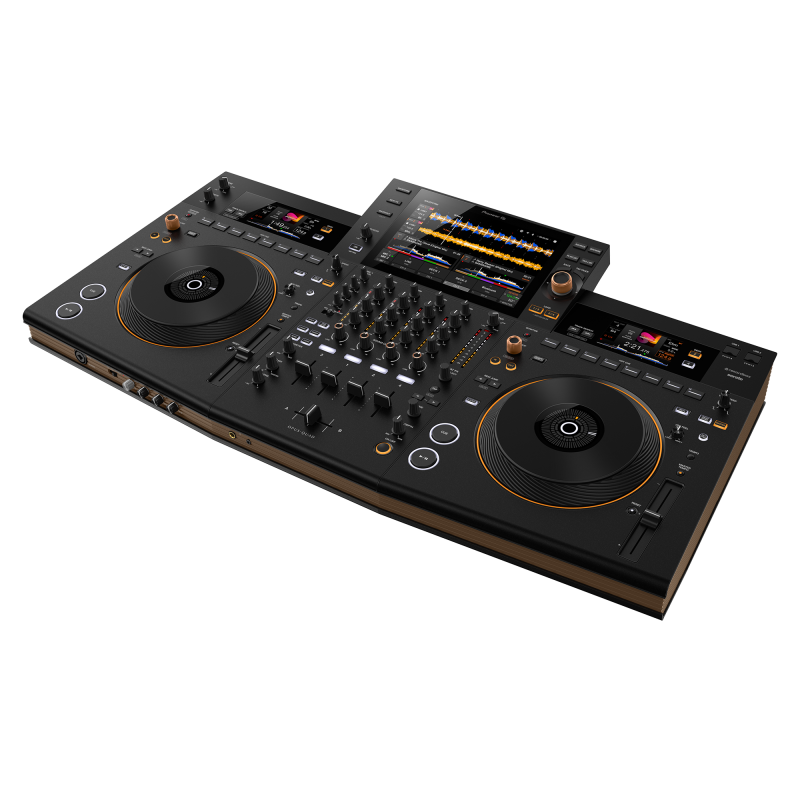
| Spec | Detail |
|---|---|
| Channels | 4 |
| Screen | 10.1-inch touchscreen |
| Software | rekordbox |
| Jog Wheels | Motorised, full-size |
| Cloud Library | Yes (rekordbox Cloud) |
| Rating | 8.5 |
The Pioneer DJ Opus Quad is Pioneer's flagship standalone and it shows. The motorised jog wheels feel closer to CDJ-3000s than any other all-in-one, the 10.1-inch touchscreen is sharp and responsive, and the overall build quality is in a class of its own.
It runs rekordbox natively, which means your library preparation workflow is identical whether you're practising at home or playing a club with CDJs. The Cloud Library feature lets you sync your collection across devices. Four channels, pro-grade outputs, and a design language that screams premium — this is as close as you can get to a full club setup in a single unit.
The price is the obvious barrier. This is a serious investment aimed at working DJs who want the best and are willing to pay for it. If the budget allows, the Opus Quad is exceptional.
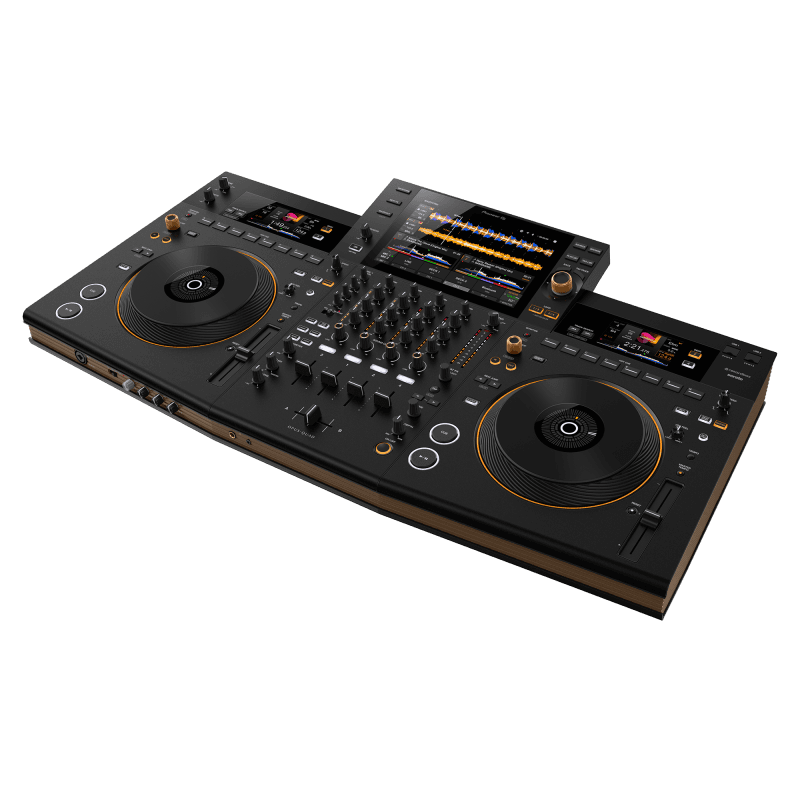
Pioneer DJ Opus Quad
Pioneer DJ came to play in 2023 and the Opus Quad is the surest sign of that. I’ve always been a fan of Denon’s Prime 4...
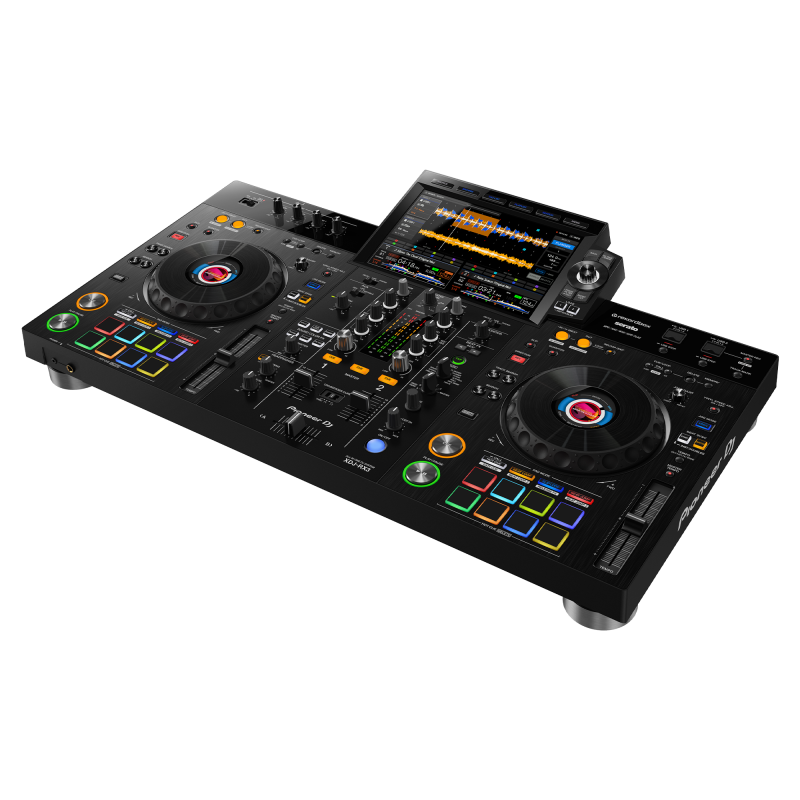
3. Pioneer DJ XDJ-RX3
Best for Club DJs
| Spec | Detail |
|---|---|
| Channels | 2 |
| Screen | 10.1-inch touchscreen |
| Software | rekordbox |
| Jog Wheels | Full-size, touch-sensitive |
| Serato Support | Yes (with licence) |
| Rating | 8.0 |
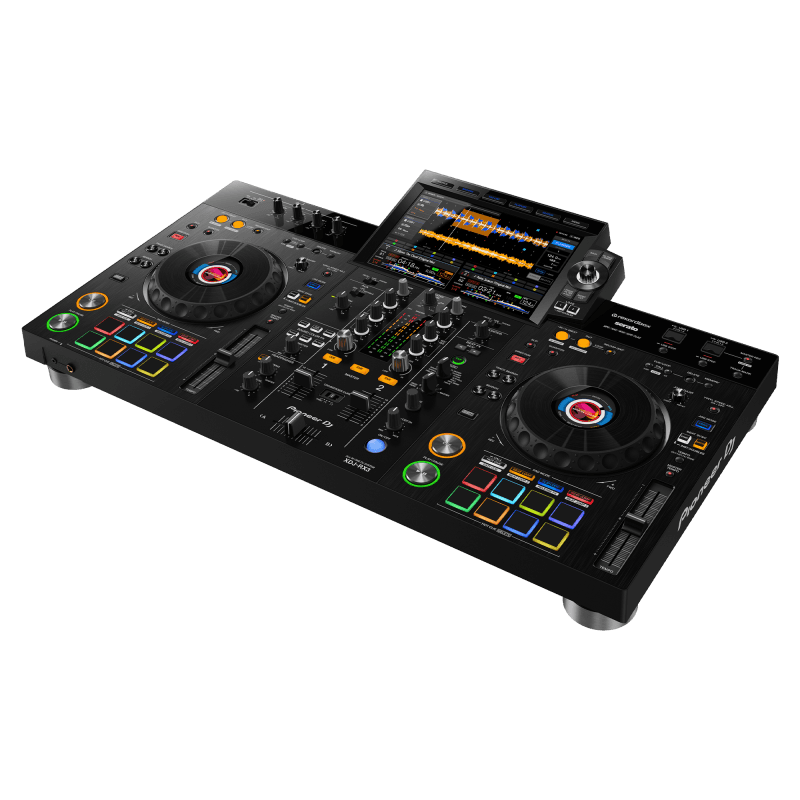
The Pioneer DJ XDJ-RX3 is the natural stepping stone for DJs who play — or want to play — on Pioneer club gear. The two-channel layout mirrors a CDJ + DJM setup, the full-size jog wheels feel professional, and the 10.1-inch touchscreen is a significant upgrade over the RX2's smaller display.
Running rekordbox means your USB preparation workflow is identical to what you'd use for CDJ-2000NXS2s or CDJ-3000s in a club. If you're building towards professional gigs, the muscle memory you develop on the RX3 transfers directly.
Two channels keeps things focused and portable. It lacks the 4-channel flexibility of the SC LIVE 4 or Opus Quad, but for DJs who primarily blend two tracks, the RX3 is all you need — and the lighter weight makes it genuinely practical for mobile use.
Pioneer DJ Pioneer XDJ-RX3
Coming in with a myriad of upgraded and additional features, the XDJ RX3 is very much the starting place for Pioneer DJ...
4. Numark Mixstream Pro Go
Best Budget Standalone
| Spec | Detail |
|---|---|
| Channels | 2 |
| Screen | 7-inch touchscreen |
| Software | Engine DJ |
| Battery | Rechargeable (4+ hours) |
| Streaming | Tidal, SoundCloud Go+, Beatport Link |
| Rating | 8.0 |
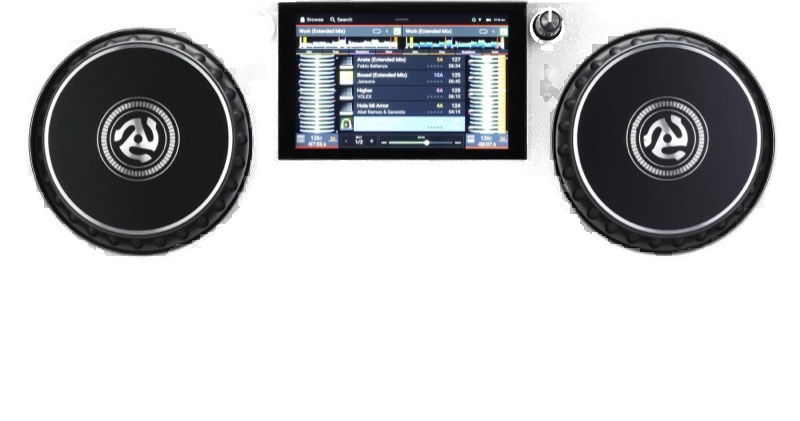
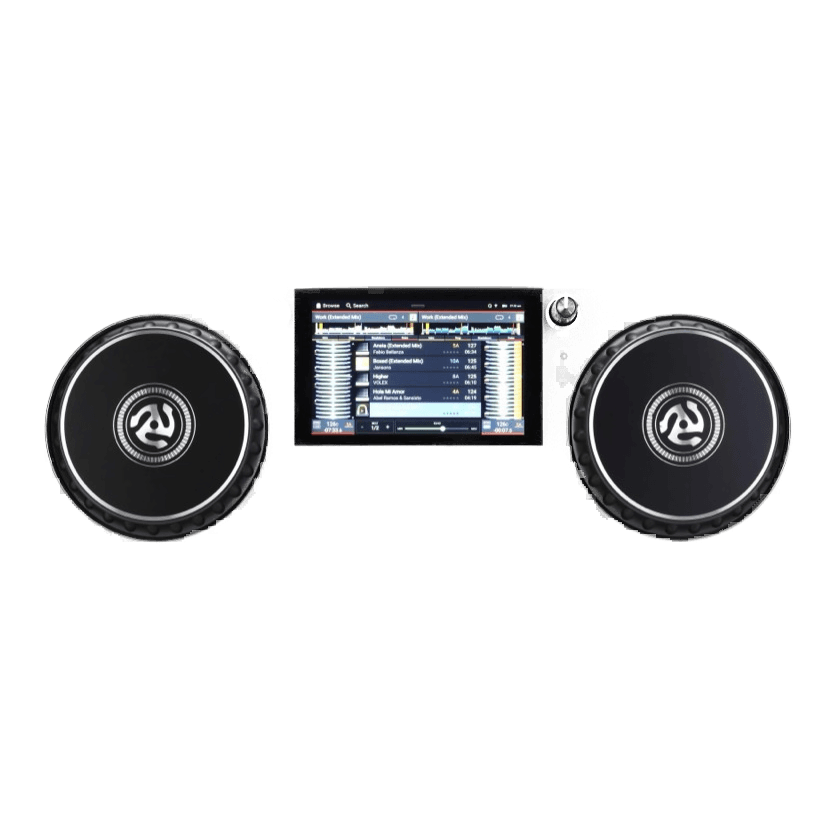
The Numark Mixstream Pro Go is the most affordable way to go standalone. It runs Engine DJ (the same platform as the Denon SC LIVE 4), supports Wi-Fi streaming, and has a built-in rechargeable battery — meaning you can genuinely DJ anywhere without power or a laptop.
The 7-inch touchscreen is smaller than the premium units but still functional for browsing and waveform monitoring. The built-in speakers are a bonus for casual practice sessions, though you'll want proper monitors or PA speakers for any real performance.
Build quality and jog wheel feel reflect the lower price point — this isn't going to match an Opus Quad in tactile quality. But as a first standalone or a portable backup unit, the Mixstream Pro Go is remarkable value. It's the controller that makes standalone DJing accessible to beginners.
Numark Mixstream Pro Go
When it breaks down to it, the Numark Mixstream Pro Go is clearly meant for the newer generation of DJs. From its...
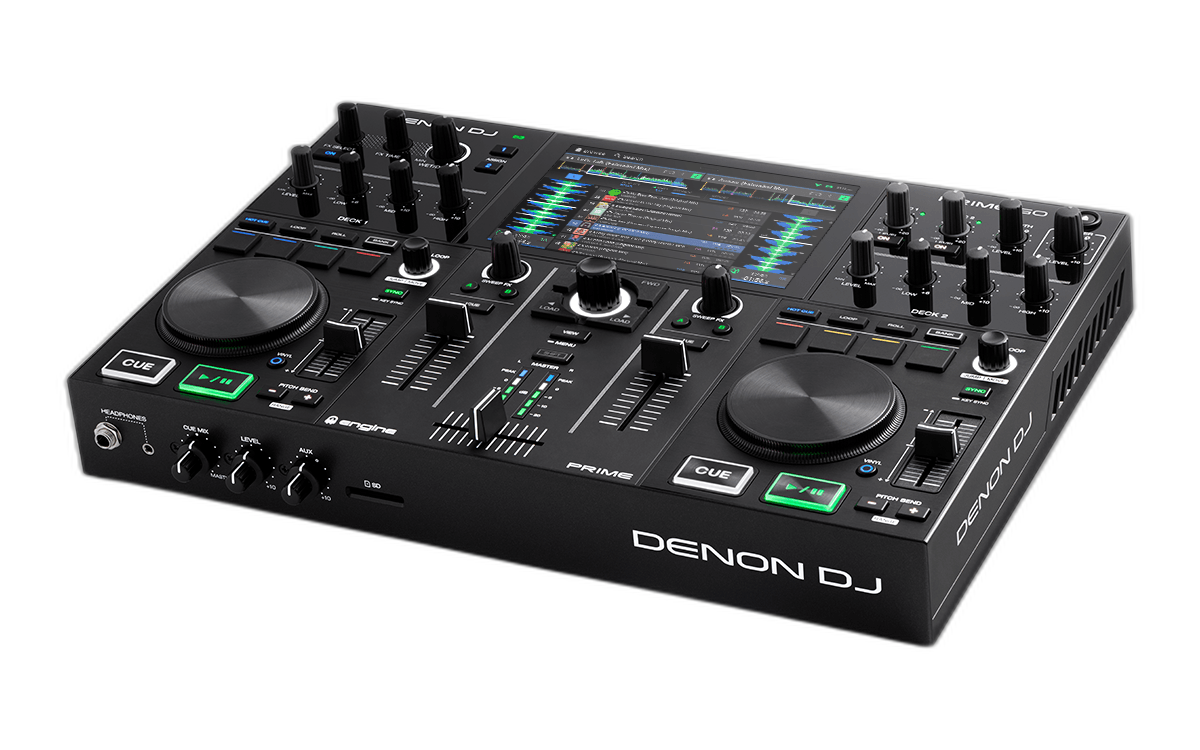
5. Denon DJ Prime GO
Most Portable
| Spec | Detail |
|---|---|
| Channels | 2 |
| Screen | 7-inch HD touchscreen |
| Software | Engine DJ |
| Battery | Rechargeable (4 hours) |
| Streaming | Tidal, SoundCloud Go+, Beatport Link |
| Rating | 8.0 |
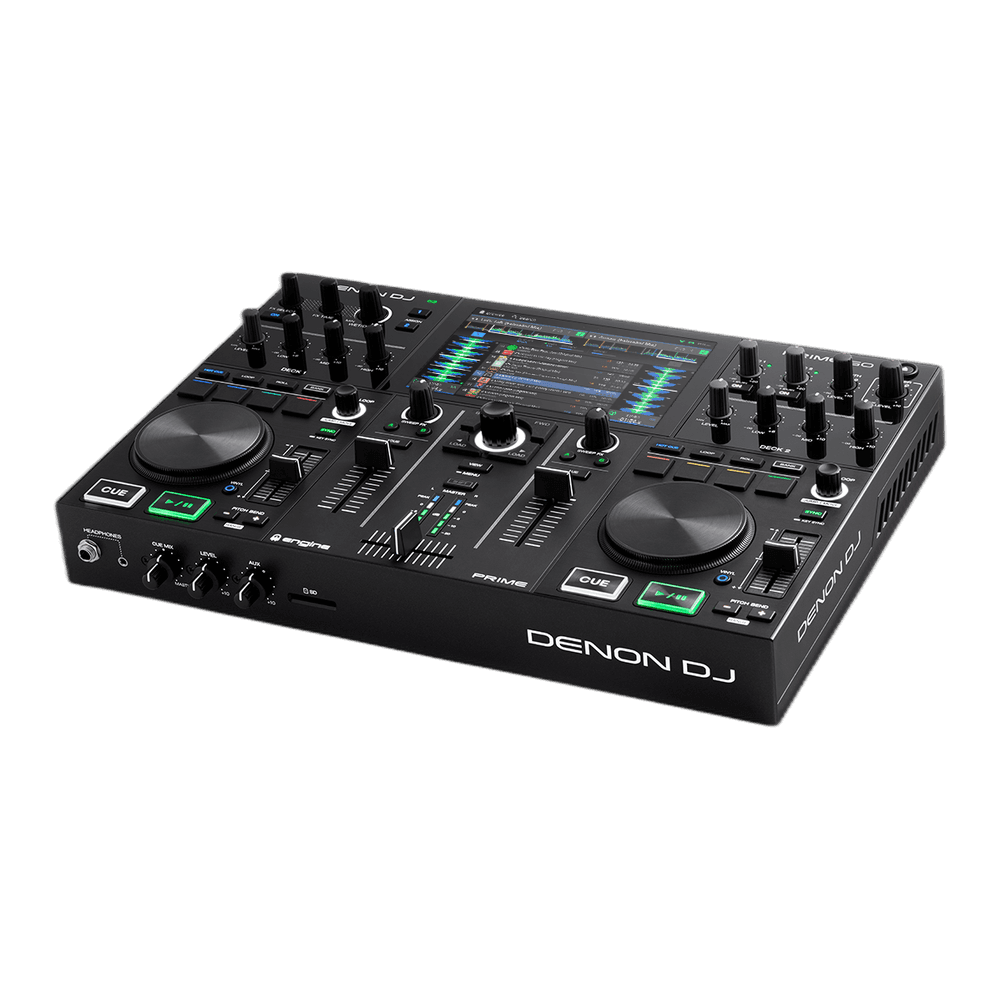
The Denon DJ Prime GO was the first battery-powered standalone controller, and it's still one of the most compelling options for DJs who need to set up fast and travel light. The compact form factor fits in a laptop bag, and four hours of wireless performance means you can play full sets without finding a power outlet.
Engine DJ gives you the same streaming and library management as the Prime 4. The 7-inch touchscreen is responsive, and the capacitive jog wheels are surprisingly good for the size. Cloud storage integration means you can access tracks from anywhere with Wi-Fi.
The obvious trade-off is size — the compact jog wheels and smaller faders make it less comfortable for extended sessions compared to full-size units. It's best suited as a mobile backup or for DJs who value portability above all else.
Denon DJ PRIME GO
Mobile DJs that are keen to find a convenient secondary or backup DJ system will be an obvious target here. This Denon...
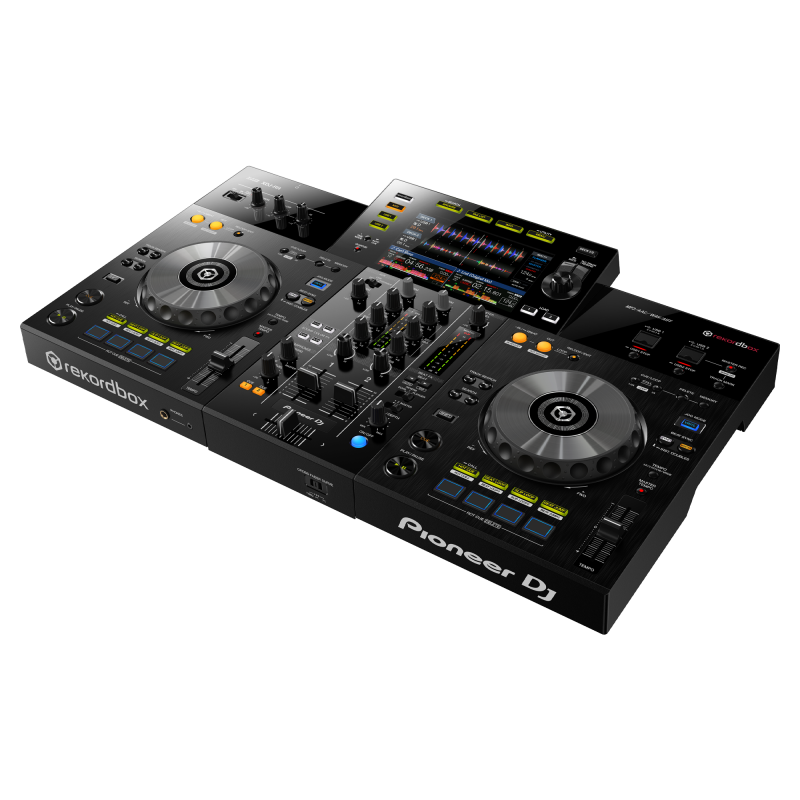
6. Pioneer DJ XDJ-RR
Best Entry Into rekordbox
| Spec | Detail |
|---|---|
| Channels | 2 |
| Screen | 7-inch (non-touch) |
| Software | rekordbox |
| Layout | NXS2-style |
| Performance Pads | 4 per deck |
| Rating | 8.5 |
This slot used to belong to the Pioneer DJ XDJ-XZ, but that unit is now discontinued and only available second-hand. In its place, a pick for the opposite end of the budget: the Pioneer DJ XDJ-RR — the cheapest way to get a genuine rekordbox standalone new, at around $1,129.
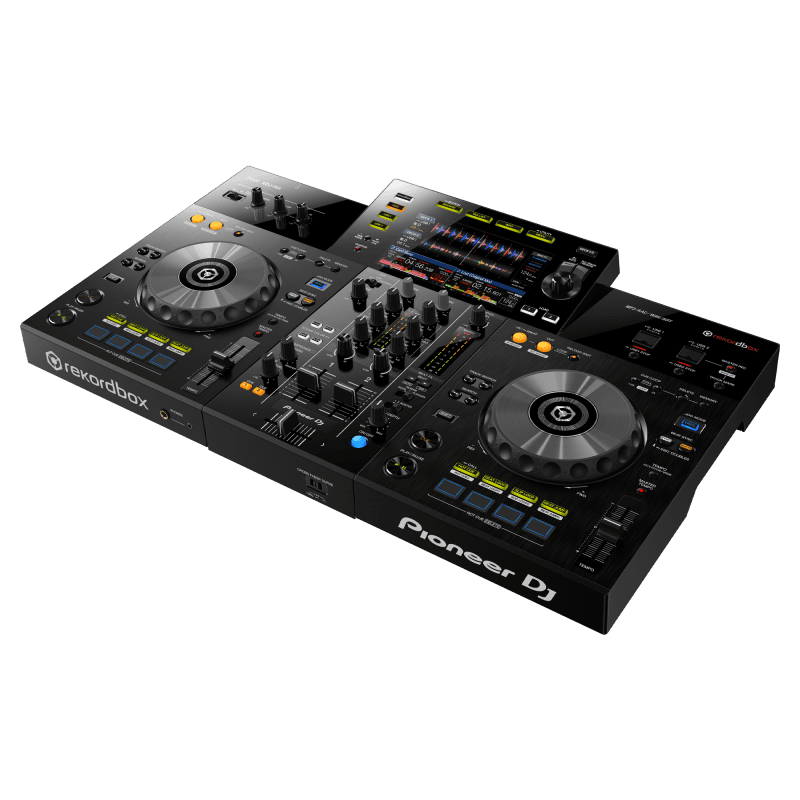
The reason it earns a slot is muscle memory. The RR's layout and workflow follow the NXS2 club setup, so the USB-preparation habits and hand positions you learn on it transfer straight to the CDJ booth — the same argument as the XDJ-RX3, at roughly half the price. It's also compact and light enough to genuinely carry to gigs.
The cost-cutting is visible: the 7-inch screen isn't a touchscreen, there's no booth output, and you get four performance pads per deck rather than eight. If those matter, the RX3 is the upgrade path. But as a first rekordbox standalone for a club-focused DJ, the RR is superb value.
Pioneer DJ XDJ-RR
The Pioneer XDJ-RR from Pioneer is a brilliant intermediate device. If you’re looking for a solution that can help you...
Other Standalones Worth Considering
The 2024–2026 generation brought a wave of new standalones we haven't yet put through full reviews. If you're shopping right now, these belong on your radar alongside our tested picks:
Pioneer DJ XDJ-AZ — AlphaTheta's current club-standard flagship: true 4-channel standalone performance, a 10.1-inch touchscreen, and full-size CDJ-3000-style jog wheels. If you want the closest thing to a booth in one unit and the Opus Quad's design isn't for you, this is the modern alternative to the retired XDJ-XZ.
Denon DJ Prime 4+ — the direct successor to the original Prime 4, adding Amazon Music support and internal improvements while keeping the 10-inch touchscreen and SATA drive bay that made the original our long-time Editor's Choice.
AlphaTheta OMNIS-DUO — a battery-powered portable 2-channel with Bluetooth input and StreamingDirectPlay; the rekordbox-ecosystem answer to the Prime GO.
Rane System One — the first standalone with motorized platters, plus real-time stems on the hardware. A genuinely new category of all-in-one for scratch-minded DJs.
Pioneer DJ XDJ-RX2 — the RX3's predecessor, now discontinued. Used units around $1,100 can still be a bargain: the smaller 7-inch screen and older rekordbox version are the main downgrades, but the fundamentals are solid. Read our full review.
FAQs
What is a standalone DJ controller?
A standalone (all-in-one) DJ controller has its own built-in processor, screen, and audio outputs — meaning it can play music from a USB drive or SD card without needing a laptop. Standard DJ controllers require a laptop running DJ software to function. Standalones are more expensive but offer maximum convenience and reliability for gigging DJs.
Do standalone controllers still work with a laptop?
Yes. Most standalone controllers can also function as traditional MIDI controllers when connected to a laptop running DJ software like rekordbox, Serato, or Traktor. This gives you the flexibility to use them in standalone mode for gigs and laptop mode for preparation or advanced features.
How much does a standalone DJ controller cost?
Standalone controllers range from around $650 for budget units like the Numark Mixstream Pro to around $2,700 for flagships like the Pioneer DJ Opus Quad. The sweet spot for most DJs is $1,000–1,500, where units like the Denon DJ SC LIVE 4 and Pioneer XDJ-RR offer a strong balance of features and build quality.
Can I use Spotify or streaming services on a standalone controller?
Many standalones now support streaming via Wi-Fi. The Denon Engine DJ platform supports services like Tidal, SoundCloud Go+, Beatport Link, and Amazon Music. AlphaTheta's newer units (OPUS-QUAD, OMNIS-DUO, XDJ-AZ) added Beatport Streaming and TIDAL via StreamingDirectPlay firmware, though a rekordbox subscription is required. Older XDJ units like the RX3 and RR remain USB-only. Spotify is not supported on any standalone. Always check which services are supported before buying.
What is the difference between Engine DJ and rekordbox?
Engine DJ (used by Denon DJ and Numark) and rekordbox (used by Pioneer DJ) are competing DJ software platforms. Engine DJ offers Wi-Fi streaming, a more open file format, and can import rekordbox libraries. Rekordbox is the industry standard in clubs and has a larger user base. Both are excellent — the choice usually comes down to which hardware brand you prefer.
Should I buy a standalone controller or CDJs with a mixer?
Standalone controllers are more portable, more affordable, and easier to set up — one unit does everything. A CDJ + mixer setup offers more flexibility (you can upgrade individual components) and mirrors the exact layout found in professional clubs. For home use and mobile gigs, a standalone is usually the better choice. For club residencies and professional touring, a CDJ setup is standard.
Verdict
The Denon DJ SC LIVE 4 is our Editor's Choice — four channels, mature Engine DJ streaming, and built-in practice speakers at a price most standalone buyers can actually reach. With the original Prime 4 discontinued, it's the most complete unit you can buy new in the sweet spot today.
For DJs who play Pioneer-equipped clubs, the Pioneer DJ XDJ-RX3 offers the smoothest transition between home practice and booth performance, and the Pioneer DJ XDJ-RR delivers the same club muscle memory at roughly half the price. If budget is no object, the Pioneer DJ Opus Quad is the pinnacle of standalone design with motorised jog wheels, unmatched build quality — and, since its StreamingDirectPlay update, Beatport and TIDAL streaming too.
On a tighter budget, the Numark Mixstream Pro Go proves you don't need to spend a fortune to go laptop-free — its built-in battery and Engine DJ streaming make it the most accessible standalone on the market.
Complete Your DJ Setup
Going laptop-free is just the start — pair your standalone with the right gear:
- Best DJ headphones — essential for cueing wherever you play.
- Best DJ speakers — studio monitors for home and PA options for gigs.
- Best DJ mixers — if you want to add an external mixer to your setup.
- Best USB sticks for DJing — a standalone is only as reliable as the drive you plug into it.
Prefer a laptop-based rig? Compare the full range in our best DJ controllers guide, or start with the best DJ controllers for beginners if this is your first deck.
More Standalone Controller Reviews
Explore our in-depth reviews of specific standalone DJ systems:
Denon DJ Standalone Systems:
- Denon DJ Prime 4 Review — 4-channel standalone with 10" touchscreen
- Denon DJ Prime 2 Review — 2-channel smart DJ console
- Denon DJ Prime GO Review — Portable battery-powered standalone
- Denon DJ LC6000 Prime Review — Expansion deck for Prime systems
- Denon DJ SC Live 4 & SC Live 2 Review — Budget standalones with built-in speakers
Pioneer DJ Standalone Systems:
- Pioneer DJ XDJ-XZ Review — Flagship 4-channel all-in-one system
- Pioneer DJ XDJ-RX3 Review — 2-channel standalone with rekordbox
- Pioneer DJ XDJ-RX2 Review — Previous-gen 2-channel standalone
- Pioneer DJ XDJ-RR Review — Entry-level rekordbox standalone
- Pioneer DJ XDJ-1000MK2 Review — Single-deck media player
Numark Standalone Controllers:
- Numark Mixstream Pro Review — Streaming-enabled standalone
- Numark Mixstream Pro GO Review — Battery-powered portable standalone
Related Guides:
- Best DJ Controllers — Traditional laptop-based controllers
- CDJs vs Controllers — Standalone systems vs traditional setups
- What is a CDJ? — Understanding professional media players