
DJ Tech Reviews

Yamaha HS7

A flat, revealing 6.5-inch monitor that reviewers and owners rate hard to beat for the price, if your room and placement are right.

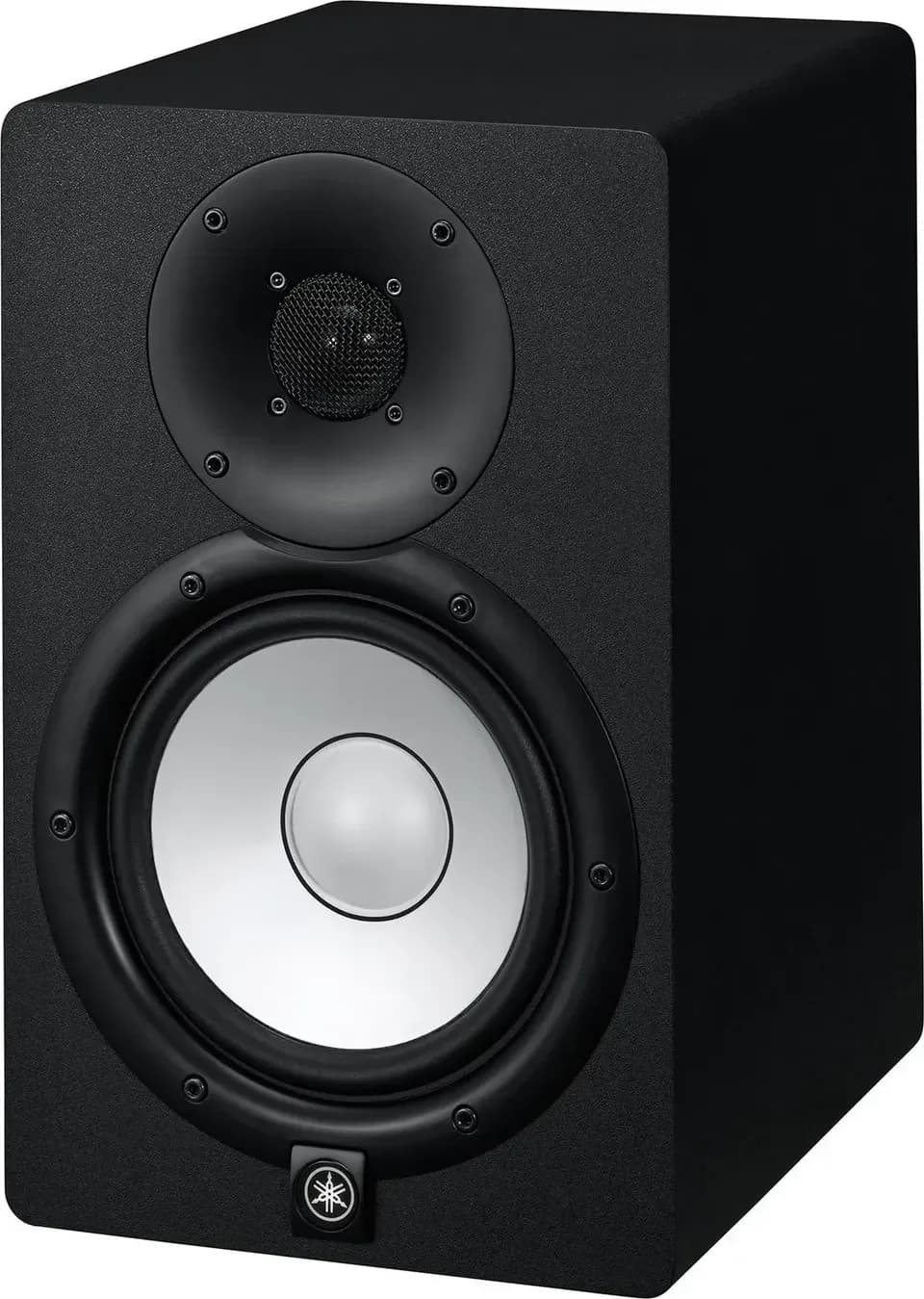
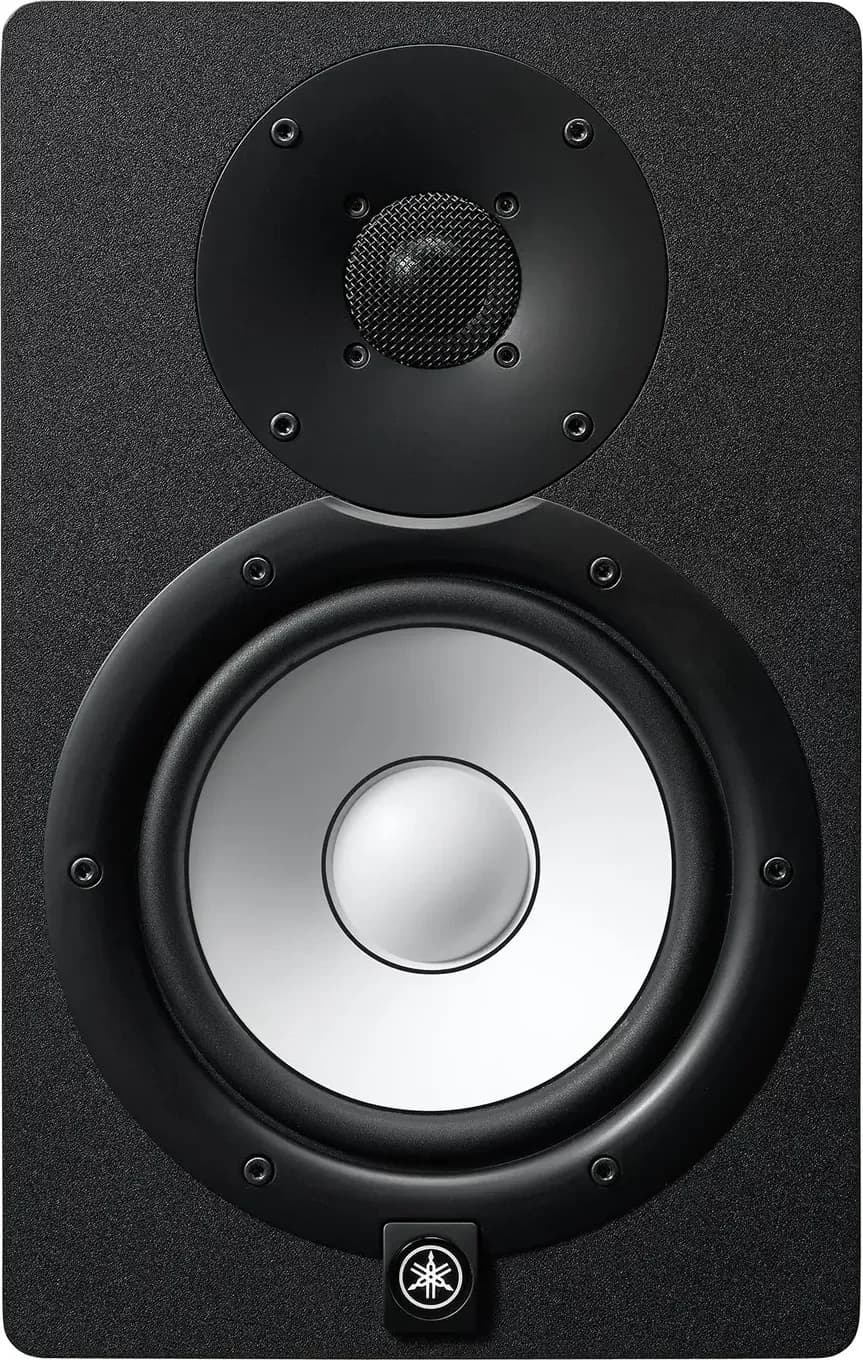
Yamaha HS7 studio monitor in black, front three-quarter view

Photos: Yamaha

All retailers and the price history

We may earn commission from links on this page. This does not affect our editorial independence.

80%

of 10 reviews recommend it4.8/5 from 1,543 Thomann owners

See reviews
Best for
A flat, honest mix reference for a home studio at a mid-range price.
Skip it if
Your room is untreated, or you make bass-heavy music and won't add a sub.

The Internet’s Opinion

From 10 professional reviews and 49 owner reviews: a fair amount of evidence.

Across ten professional reviews and 49 owner reviews the HS7 is described as clear, revealing and hard to beat for the price, with a flat balance owners trust for mixing. The repeated reservations are a low end that bass-heavy producers top up with a subwoofer, sensitivity to room and placement, and a soundstage two reviewers found a little flat.

8 recommend2 mixed0 avoid

What people praise

  • Hard to beat for the price
  • Clear, detailed sound that shows what is in a mix
  • Flat, honest balance that translates to other systems
Show 4 more
  • Solid, heavy build
  • Rear room-control and high-trim switches help in untreated rooms
  • Enough bass for most home rooms without a subwoofer
  • Still going after years of daily use

What to know first

  • Needs a treated room and careful placement because of the rear port
  • Low end runs out; bass-heavy producers add a subwoofer
  • Highs can sound sharp or forward, less flat than claimed
Show 7 more
  • Big and heavy for a desk
  • Power switch is on the back
  • Soundstage lacks depth around the crossover
  • An entry-level monitor, not a professional reference
  • Picks up buzz and crackle from nearby phones and wireless gear
  • A driver developed rattle or crackle after 18 months to 4 years
  • The 7 in the name is a 6.5-inch woofer

Owner ratings, as the retailers publish them

  • Thomann4.8/5from 1,543 ratings · read Oct 10, 2026
  • Guitar Center4.8/5from 21 ratings · read Oct 15, 2026
See the 10 reviews behind this

Video reviews

  • ProbablyAwakeJun 2022Recommends

    Yamaha HS7 VS HS8 in 2022?! (Which is Better?)

    Yamaha HS7 VS HS8 in 2022?! (Which is Better?)

    ProbablyAwakeJun 2022Recommends
  • Light LeakedJul 2020Mixed

    Yamaha HS7 in 2020, lets talk about the budget mastering monitors

    Yamaha HS7 in 2020, lets talk about the budget mastering monitors

    Light LeakedJul 2020Mixed

Plays from YouTube when you press play. Picked from the reviews counted above, including one that disagrees where there is one.

Prices

Before you buy

Released
April 2013
Status
Current

Works with

  • XLR and 1/4" TRS inputsBalanced

    One balanced XLR and one balanced TRS phone input; take balanced or unbalanced signals, one input at a time Manufacturer spec sheet (Yamaha (HS series owner's manual)), checked 2026-10-11

  • No RCA inputAdapter cables for RCA sources

    RCA-only sources (such as a DDJ-FLX4's master out) need RCA-to-phone-plug cables, which make an unbalanced connection Manufacturer spec sheet (Yamaha (HS series owner's manual)), checked 2026-10-11

  • Mains powered95 W bi-amp

    Built-in 95 W bi-amp (60 W LF + 35 W HF); 55 W power consumption; power cord included Manufacturer spec sheet (Yamaha), checked 2026-10-11

You’ll also need

  • A second HS7Sold singly

    Sold singly ('Packaging: Single'); a stereo pair means buying two Manufacturer spec sheet (Yamaha), checked 2026-10-11

  • Signal cablesNot included

    Not included (owner's manual and power cord only): XLR or TRS cables, or RCA-to-phone cables for RCA sources Manufacturer spec sheet (Yamaha), checked 2026-10-11

Key specs

Configuration
2-way bi-amp powered studio monitor, bass-reflex
Woofer size
6.5 in
LF driver
6.5" cone
Amplifier power (total)
95 W
Amplifier power
95 W (LF: 60 W, HF: 35 W)
Low-frequency extension
43 Hz
All 15 specifications
Frequency response
43 Hz – 30 kHz (-10 dB)
Inputs
XLR (balanced), 1/4" phone (balanced)
Weight
8.2 kg (18.1 lb)
HF driver
1" dome
Crossover
2 kHz
Controls
LEVEL, HIGH TRIM (+/- 2 dB), ROOM CONTROL (0 / -2 / -4 dB below 500 Hz)
Power consumption
55 W
Dimensions (W x H x D)
210 x 332 x 284 mm (8.3 x 13.1 x 11.2 in)
Tweeter size
1 in

15 of 15 figures sourced; hover one for its source

Our take

Rory TassellWritten from the sources on this page, not from a loan unit.

Reviewers and owners return to the same point: it is clear, revealing and hard to beat for the price, and mixes made on it translate to other systems. The rear port makes it sensitive to placement, and the low end runs out early, so bass-heavy producers add a sub. Plan for stands, space behind the cabinets and, for bass-heavy genres, a subwoofer.

What it is

Status, October 2026: current. Yamaha still lists it.

What it is

The HS7 is a powered two-way nearfield studio monitor from Yamaha, introduced at Musikmesse in April 2013 as the new 6.5-inch model in the second-generation HS series (Yamaha announcement, Yamaha HS series page). It sits between the 5-inch HS5 and the 8-inch HS8, with the HS8S subwoofer alongside. The redesign replaced the original HS line of 2006 and moved from a 3/4-inch to a 1-inch tweeter. It comes in black or white.

A bi-amp design gives the 6.5-inch cone woofer 60 W and the 1-inch dome tweeter 35 W, crossed over at 2 kHz. Yamaha states a frequency response of 43 Hz to 30 kHz at -10 dB. Yamaha shaped the bass-reflex port to reduce port noise. The MDF cabinet uses mitred corner joints to cut resonance.

The rear panel has one balanced XLR input and one balanced 1/4" TRS input, which take balanced or unbalanced signals one at a time. There is no RCA input, so RCA-only sources such as many DJ controllers need RCA-to-1/4" cables. A level knob, a High Trim switch that raises or lowers everything above 2 kHz by 2 dB and a Room Control switch that cuts below 500 Hz by 2 or 4 dB adjust the sound for the room. The power switch is also on the back.

Each HS7 is sold singly, so a stereo pair means buying two. It measures 210 x 332 x 284 mm and weighs 8.2 kg. The box holds the speaker, its power cord and the owner's manual; signal cables are not included.