
DJ Tech Reviews

Yamaha HS8

An 8-inch nearfield with clear, revealing sound and real bass, but big enough to need a room to match.

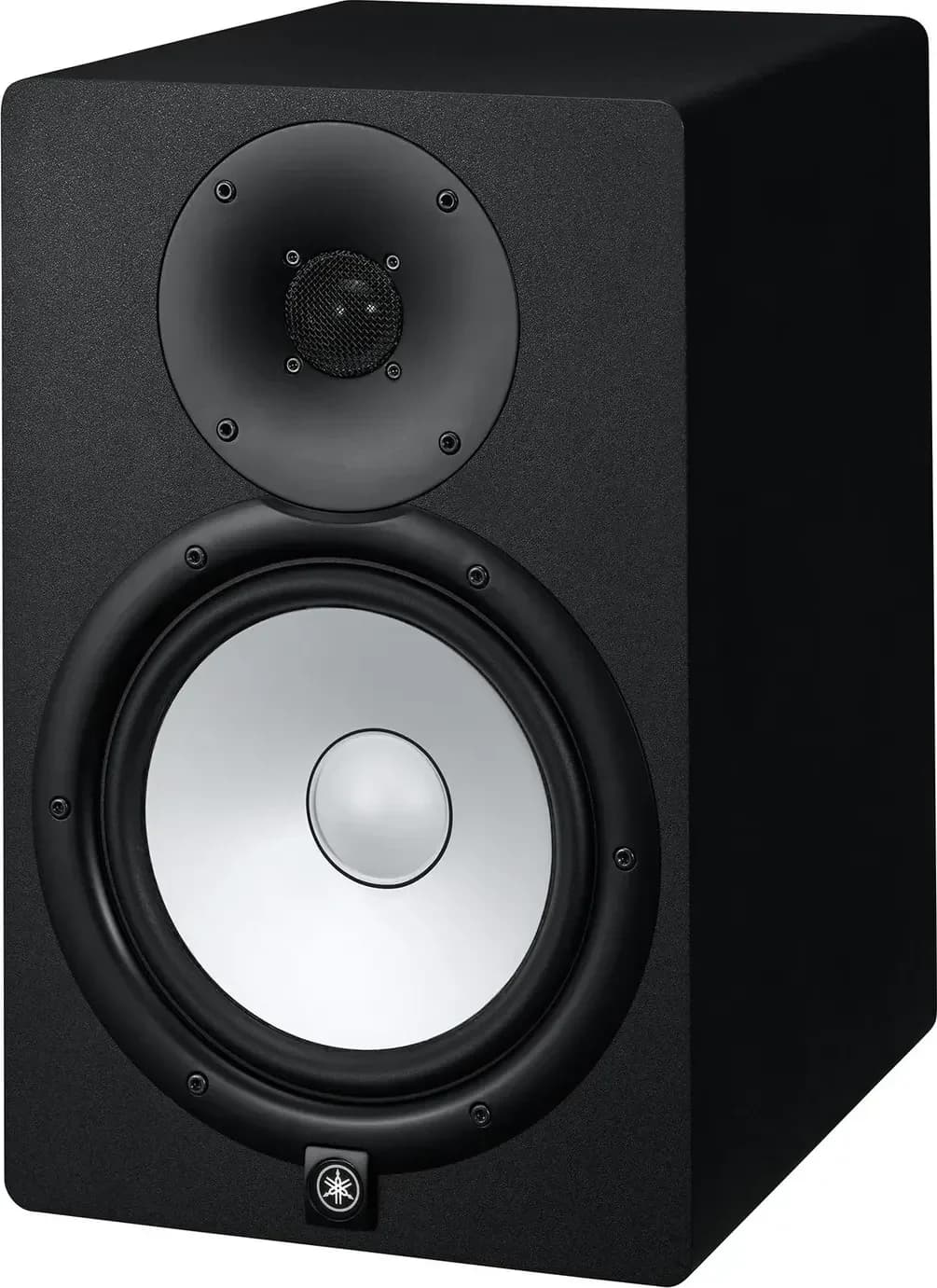
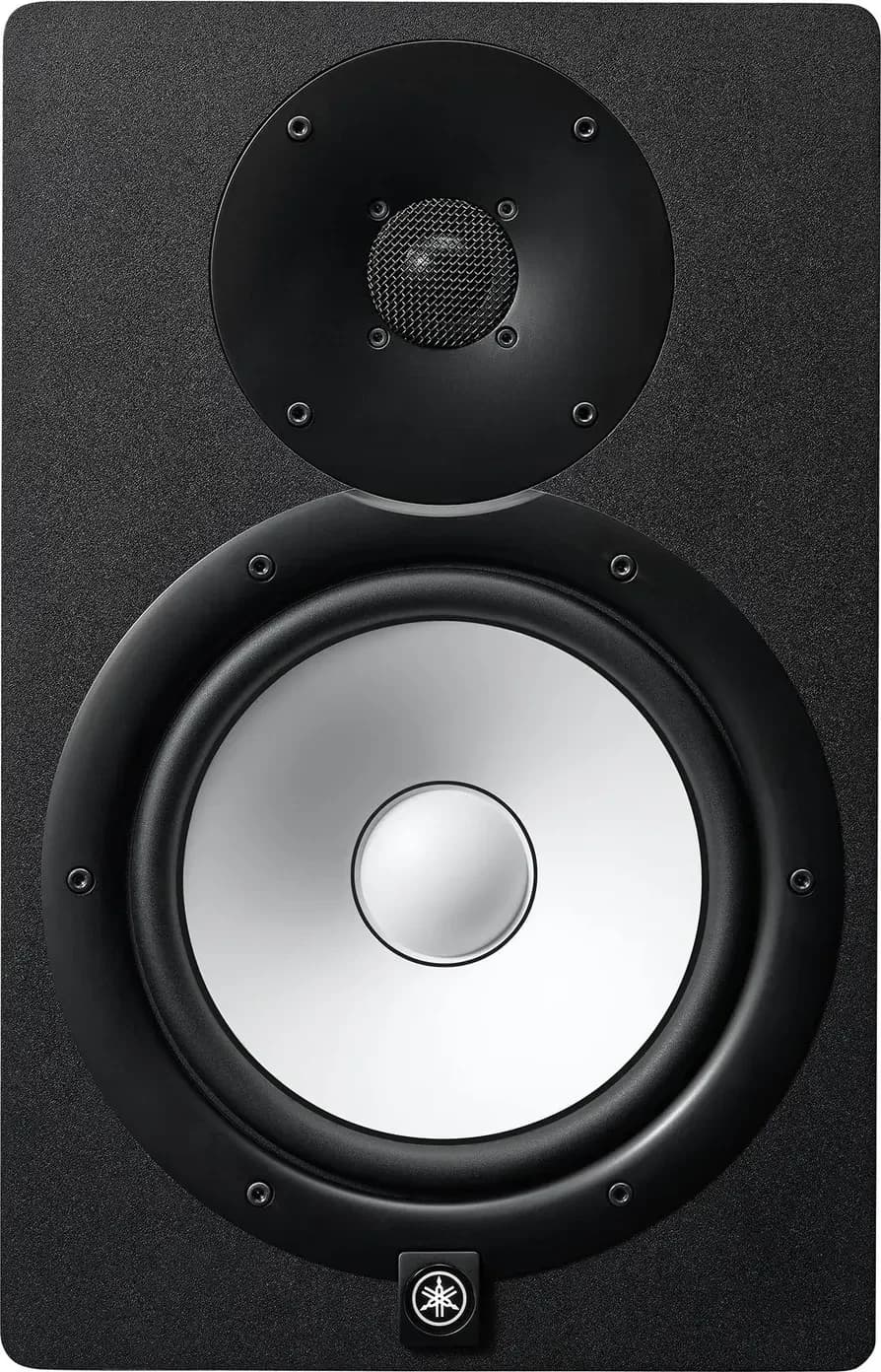
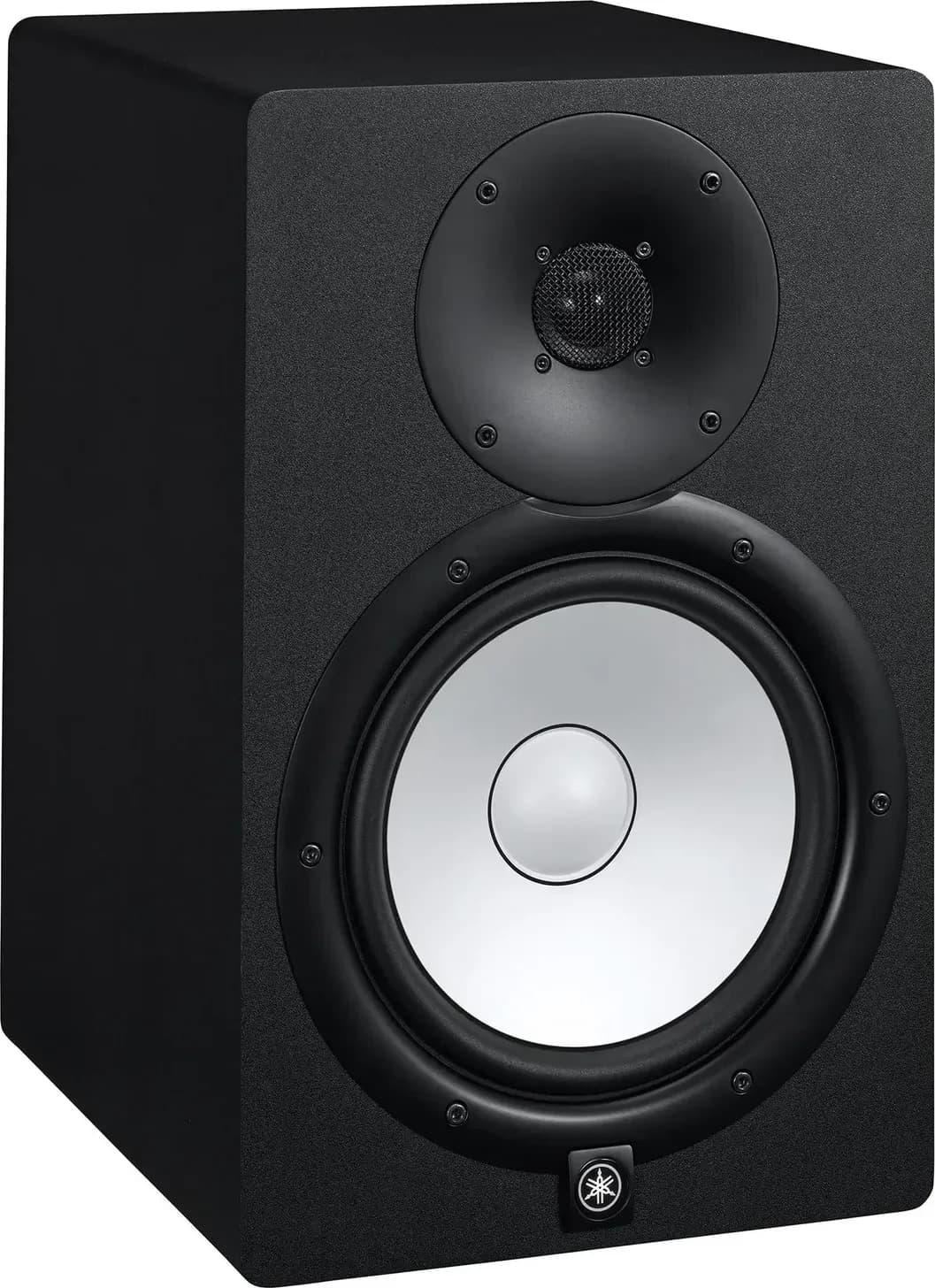
Yamaha HS8 studio monitor in black, front three-quarter view

Photos: Yamaha

All retailers and the price history

We may earn commission from links on this page. This does not affect our editorial independence.

14 of 16 professional reviews recommend it
Best for
Producers mixing in a medium or large room who want bass without a sub.
Skip it if
You mix in a small room; the HS5 or HS7 suit it better.

The Internet’s Opinion

From 16 professional reviews and 66 owner reviews: plenty of evidence.

Across 16 professional reviews and 66 owner reviews the HS8 is described as clear, revealing and hard to beat for the price, with enough bass to mix without a subwoofer in most rooms. The repeated reservations are its size, which suits a medium or large room better than a small one, and a treble some find bright, with two reviewers hearing scooped mids.

14 recommend2 mixed0 avoid

What people praise

  • Clear, detailed sound that exposes problems in a mix
  • Hard to beat for the price
  • Flat, honest balance that translates to other systems
Show 4 more
  • Enough bass to mix without a subwoofer in most rooms
  • Solid, heavy build
  • Rear room-control and high-trim switches help fit it to the room
  • Still working after years of daily use

What to know first

  • Big and heavy: suits a medium or large room, too much for a small one
  • Treble can sound bright or tiring, and some hear scooped mids
  • The deepest bass still rolls off; some add the HS8S subwoofer
Show 6 more
  • Needs careful placement and a treated room to sound its best
  • Fewer EQ controls than the HS80M it replaced
  • Power switch and volume knob are on the back, and the volume only clicks at centre
  • Soundstage lacks depth for the price
  • No auto-standby: it stays warm and draws power when idle
  • Supplied power cable is short or flimsy
See the 16 reviews behind this

Video reviews

  • ProbablyAwakeMay 2024Recommends

    Yamaha HS8 Review - My Experience, Room Treatment and Overall Thoughts

  • Edward SmithJan 2022Recommends

    These Studio Monitors are UNBEATABLE!!! - Yamaha HS8 Review

Plays from YouTube when you press play. Picked from the reviews counted above, including one that disagrees where there is one.

Prices

Before you buy

Released
April 2013
Status
Current

Works with

  • XLR and 1/4" TRS inputsBalanced

    One balanced XLR and one balanced TRS phone input; either takes balanced or unbalanced signals, one input at a time Manufacturer spec sheet (Yamaha (HS series owner's manual)), checked 2026-10-11

  • RCA sourcesAdapter cables

    No RCA input: controllers and mixers with RCA outputs need RCA-to-phone-plug cables, which make an unbalanced connection Manufacturer spec sheet (Yamaha (HS series owner's manual)), checked 2026-10-11

  • HS8S subwooferSold separately

    Yamaha's matching 8" subwoofer sits between the source and the HS8s and reproduces the range below 200 Hz; four cables are needed for a pair plus sub Manufacturer spec sheet (Yamaha (HS series owner's manual)), checked 2026-10-11

  • Room control and high trimRear switches

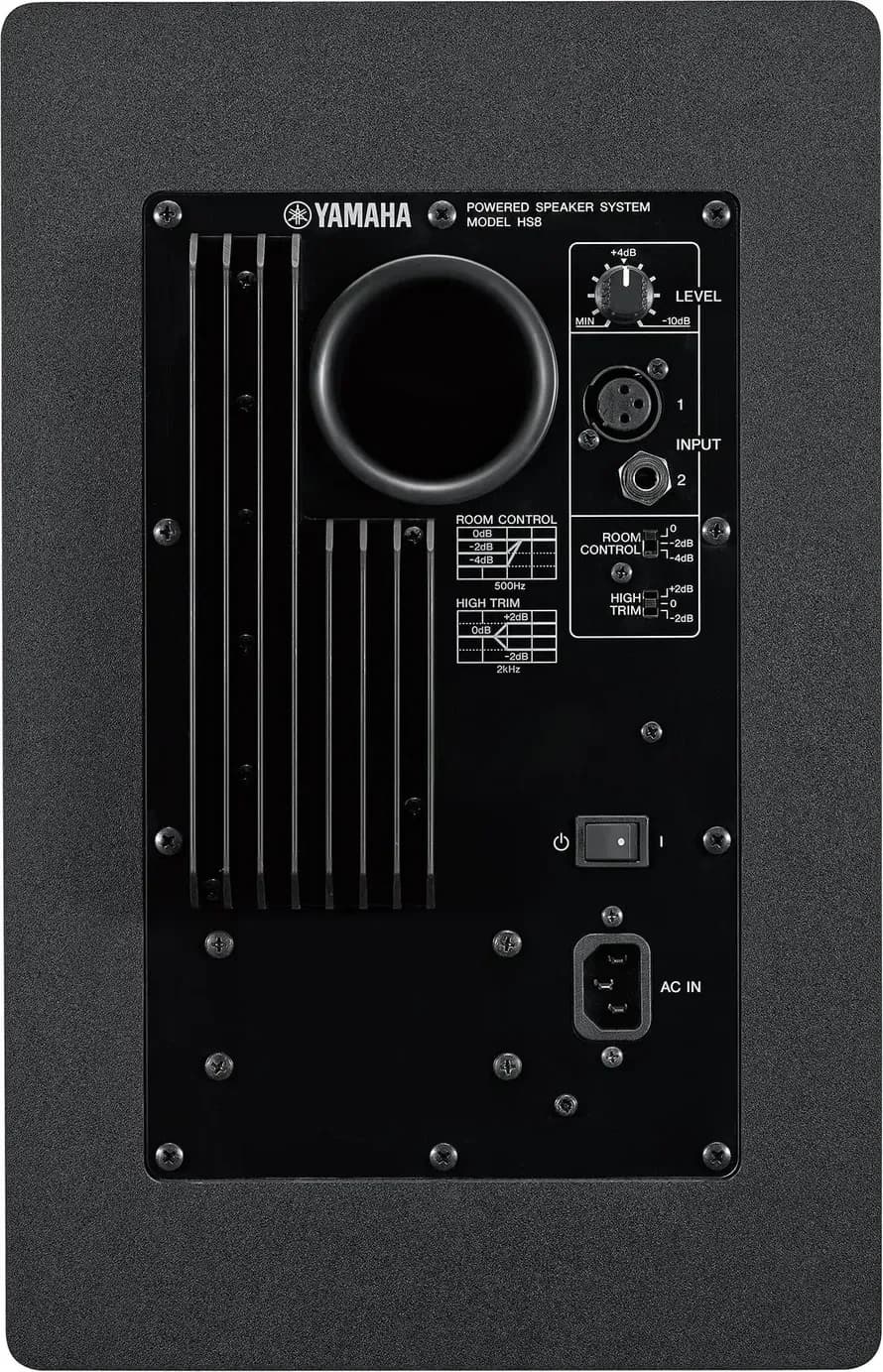
    ROOM CONTROL cuts below 500 Hz by 2 or 4 dB for wall or corner placement; HIGH TRIM sets the range above 2 kHz at +2, 0 or -2 dB Manufacturer spec sheet (Yamaha (HS series owner's manual)), checked 2026-10-11

  • Mains powered120 W bi-amp

    Built-in 120 W bi-amp (75 W LF + 45 W HF); 60 W power consumption; 10.2 kg each Manufacturer spec sheet (Yamaha), checked 2026-10-11

You’ll also need

  • A second HS8Sold singly

    Sold singly ('Packaging: Single'); a stereo pair means buying two Manufacturer spec sheet (Yamaha), checked 2026-10-11

  • Signal cablesNot included

    The box holds the owner's manual and power cord only: XLR or TRS cables, or RCA-to-phone cables for RCA sources, are extra Manufacturer spec sheet (Yamaha), checked 2026-10-11

  • Space around the speakers1.5 m from walls

    Yamaha advises placing the speakers at least 1.5 m from walls or corners, using the ROOM CONTROL switch to tame excess bass where that is not possible Manufacturer spec sheet (Yamaha (HS series owner's manual)), checked 2026-10-11

Key specs

Configuration
2-way bi-amp powered studio monitor, bass-reflex
Woofer size
8 in
LF driver
8" cone
Amplifier power (total)
120 W
Amplifier power
120 W (LF: 75 W, HF: 45 W)
Low-frequency extension
38 Hz
All 15 specifications
Frequency response
38 Hz – 30 kHz (-10 dB)
Inputs
XLR (balanced), 1/4" phone (balanced)
Weight
10.2 kg (22.5 lb)
HF driver
1" dome
Crossover
2 kHz
Controls
LEVEL, HIGH TRIM (+/- 2 dB), ROOM CONTROL (0 / -2 / -4 dB below 500 Hz)
Power consumption
60 W
Dimensions (W x H x D)
250 x 390 x 334 mm (9.8 x 15.4 x 13.1 in)
Tweeter size
1 in

15 of 15 figures sourced; hover one for its source

Our take

Dex JonesWritten from the sources on this page, not from a loan unit.

Fourteen of sixteen professional reviews recommend it, and owners at Thomann and Guitar Center repeat why: a clear, revealing sound that is hard to beat for the price, with enough bass that 22 sources mix without a subwoofer. The main reservation, raised by 13 sources, is size: it suits a medium or large room, and small rooms suit the HS5 or HS7. Two reviews hear bright treble and scooped mids. Buy it if your room has the space.

What it is

Status, October 2026: current. Yamaha still lists the HS8 in its HS series.

What it is

The HS8 is a powered two-way studio monitor from Yamaha, announced in April 2013 as the largest of the HS series monitors (Yamaha HS series page). It sits beside the smaller HS5 and HS7 and the HS8S subwoofer, and an HS8I version adds mounting points for installation. Yamaha sells it as a single speaker, so a stereo pair means buying two.

It has an 8-inch cone woofer and a 1-inch dome tweeter, crossing over at 2 kHz, in a bass-reflex MDF cabinet. A bi-amp design gives 75 W to the woofer and 45 W to the tweeter, 120 W in all. Yamaha quotes 38 Hz to 30 kHz at -10 dB, and the speaker draws 60 W from the mains.

The rear panel has a balanced XLR input and a balanced 1/4-inch TRS input, used one at a time, either of which also takes an unbalanced signal. There is no RCA input, so a controller with RCA outputs needs RCA-to-phone-plug cables. A level control is set for a +4 dB source at the 12 o'clock position. A ROOM CONTROL switch cuts the range below 500 Hz by 2 or 4 dB for speakers near a wall or corner, and a HIGH TRIM switch sets the range above 2 kHz at +2, 0 or -2 dB. Yamaha advises at least 1.5 m from walls or corners where possible.

The HS8S subwoofer sits between the source and a pair of HS8s and reproduces the range below 200 Hz. Each HS8 measures 250 x 390 x 334 mm and weighs 10.2 kg. The box holds the speaker, a power cord and the owner's manual; signal cables are extra.