For open-format, wedding and party DJs, start with BPM Supreme: its Open Format library carries clean, intro, acapella and extended versions as 320 kbps MP3s that export to Serato, rekordbox, Traktor and VirtualDJ. If you also play Latin and global music, DJcity covers it in one subscription, and if you play electronic music, Beatport Streaming plays it inside your DJ software.
Which pool to join
Open format, weddings and parties: BPM Supreme
BPM Supreme splits its catalogue into libraries. Open Format covers hip hop, R&B, pop, EDM, country and classics; Latino+Global covers reggaeton, cumbia, Latin pop, Afrobeat, K-pop and Bollywood; the All-Access plan covers both. Each track comes in DJ versions such as Clean, Dirty, Intro, Slam Edit, Acapella and Extended, and the curated playlists include sets for weddings, clean music, schools and corporate gigs. All audio is 320 kbps MP3, and BPM Supreme says files export to Serato, rekordbox, Traktor and VirtualDJ with cue points and tags intact. It publishes no download cap, but its system flags accounts by download behaviour, so download what you need rather than everything. Look elsewhere if you play Latin or global music as often as the Open Format genres: on BPM Supreme that means a separate library or the top plan.
Latin and global music in one subscription: DJcity
DJcity sources music from the US, UK, Germany, Japan, Latin America and South Asia, and one subscription opens the whole catalogue, including Latin music, playlists and its exclusive remixes. Its versions go further than most: 8-bar intros, clean and dirty, acapella, instrumental, short edits, tempo transitions and hook-first intros. There is no cap on tracks, but each version of a track can be downloaded three times. DJcity calls itself a promotional service, so tracks stay in the catalogue for about six to twelve months; what you download is yours to keep after you cancel. Files are MP3, and its desktop and mobile apps can queue downloads from your phone to your laptop.
Electronic music, downloaded: ZipDJ
ZipDJ covers more than 60 genres, from house and dance to hip hop, pop and Latin, and says it has the biggest electronic catalogue of any pool. Versions include extended mixes, intros, clean, dirty, acapellas and exclusive remixes, as tagged 320 kbps MP3s that ZipDJ says work with rekordbox, Serato, VirtualDJ, Algoriddim's djay and Denon DJ gear. Its FAQ says the Pro Unlimited plans have no download limit; ZipDJ also sells Intro plans, so check their download limits before you pick one. Its home page and FAQ don't set out its licensing position, so ask before you subscribe if that matters to your gigs.
Electronic and open format, streamed in your software: Beatport Streaming
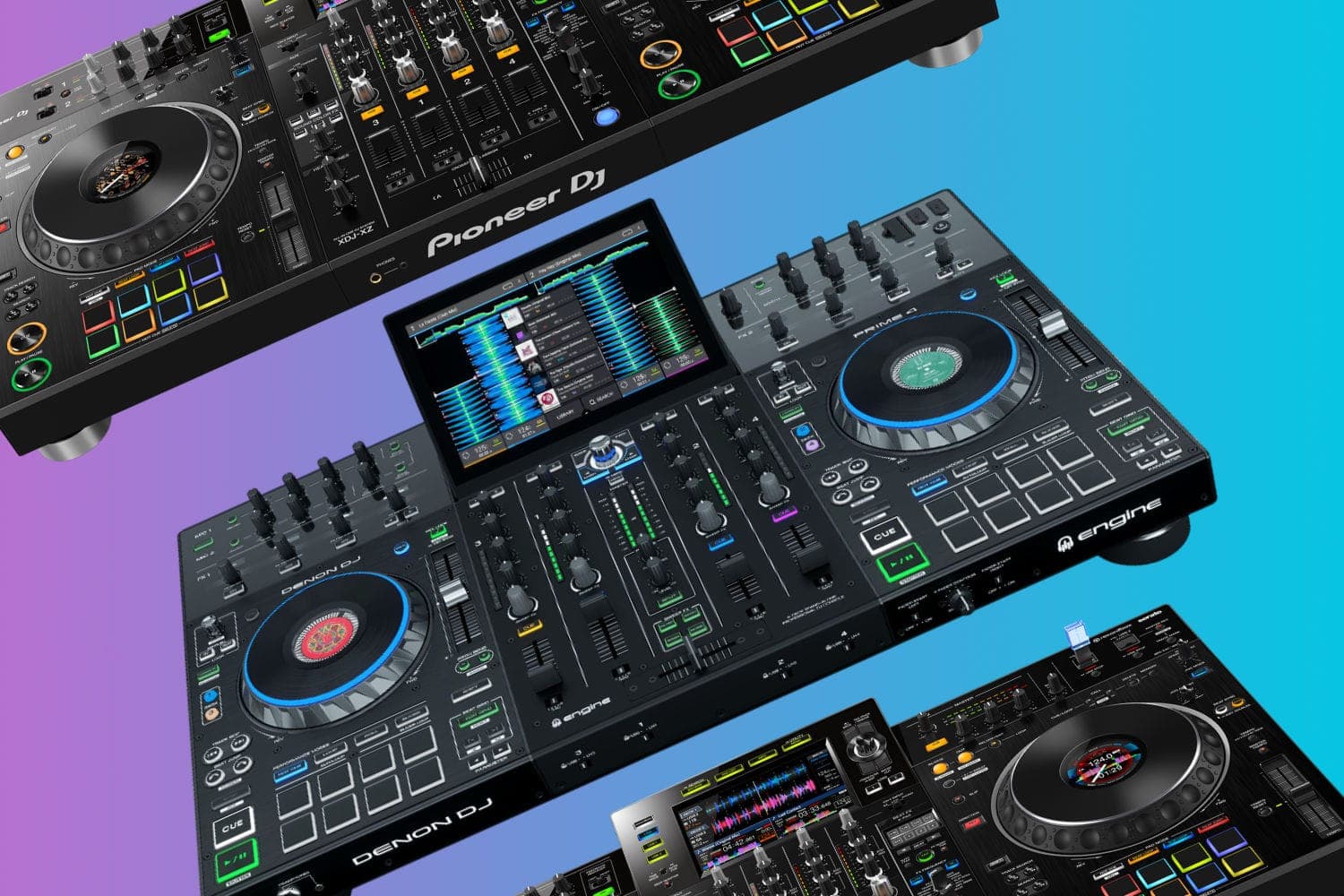
Beatport Streaming (formerly Beatport LINK, product page) plays Beatport's catalogue inside rekordbox, Serato DJ, Traktor, VirtualDJ, djay Pro, DJUCED and Engine DJ hardware, and on AlphaTheta players including the CDJ-3000X, OMNIS-DUO, OPUS-QUAD and XDJ-AZ, per Beatport's plans page. Since Beatsource folded into it in 2026, it also carries Beatsource's open-format catalogue, per Beatport's migration FAQ. The DJ Edits and DJ Versions that came with it, such as clean versions and extended intros, need the newer Professional+ plan, and the plans page says they stream only and can't be bought or downloaded. The entry plan doesn't work in DJ software at all, and the offline locker and lossless streaming start at the Professional plan, which holds up to 1,000 tracks offline, per Beatport's streaming terms. You don't own anything you stream: the locker is deleted when you cancel, and the terms say streams are for personal use, with public performance needing licensing the subscription doesn't include.
Lossless WAV files: Crate Connect
Crate Connect is a professional-only pool that offers select releases as 1,411 kbps WAV alongside 320 kbps MP3, which is rare among the pools here. The FAQ on its home page lists more than 80 genres, including hip hop, R&B, pop, dance, house, Afrobeats, country and rock, with clean and explicit versions, intros, in-house edits, remixes and transitions. Its full FAQ says it favours new releases over a back catalogue, and most tracks stay up for about a year. Batch downloads take up to 30 MP3s at a time, while WAVs download one by one.
Music videos, or one genre only: Promo Only
Promo Only sells audio and music video by genre, so a country or Top 40 DJ can pay for that format alone, or combine genre plans. Edits include clean edits, intro edits, quick edits and dance mixes. It says its music comes licensed from the labels for your use in public venues, the plainest licensing statement of any pool here, and in return it vets you: new subscribers need four credentials, such as a business website and an email address on your own domain. Files are yours to keep after you cancel.
Also considered
- Beatsource. The open-format store and streaming service is gone. Beatport moved all Beatsource accounts, playlists and streaming plans to Beatport Streaming, and beatsource.com now says the move is complete.
- Digital Music Pool. Unlimited downloads, with each track downloadable up to three times, across genres from Afro house and tech house to hip hop, Latin and reggae, plus exclusive acapellas and edits. It doesn't say what audio format it uses beyond "high quality".
- Club Killers and Direct Music Service. Both are long-running pools, but their catalogues and terms sit behind a sign-in, so nothing about them could be checked for this guide.
How to choose a DJ pool
What a DJ pool is
A DJ pool, or record pool, is a subscription that supplies working DJs with new music in DJ-ready versions: clean and explicit edits, intros, acapellas and extended mixes, usually as tagged MP3s that drop into Serato, rekordbox, Traktor or VirtualDJ. The name comes from the record pools of the 1970s, which handed promotional vinyl to club DJs on labels' behalf, and the modern pools still describe themselves as promotional services: DJcity, for one, says tracks stay in its catalogue for six to twelve months. The pools above are the download kind; Beatport Streaming is the exception, a catalogue you rent inside your software rather than files you keep. A pool is not a store, so if you want to own a specific back-catalogue track, buy it; and it is not a performance licence, as the last section explains.
Start with the gigs you play
A pool is only as good as its coverage of your crowd. Pools built for open format, like BPM Supreme and DJcity, carry chart, hip hop, Latin and throwback music with the edits a wedding or bar needs. If you play house or techno, check the labels you buy from are on the pool before you subscribe. DJcity lets you browse, search and preview its catalogue with a free account.
Check the versions you'll use
The versions are why you join a pool rather than buy from a store. Clean edits matter for schools, corporate events and family weddings; intros give you bars to mix in over; acapellas and instrumentals are for blends and mashups; transition edits move between tempos. DJcity's help pages define nine version types, a useful checklist when you compare pools. The wedding DJ tips cover where clean edits come in.
Download or stream
Download pools give you files to keep. DJcity and Promo Only both say downloads stay yours after you cancel, and downloaded files play without an internet connection. Streaming gives you a bigger catalogue inside your software, but you rent it: Beatport's offline locker is deleted when you cancel and only works on the device and DJ app it was made in. rekordbox streaming explains how streaming works inside rekordbox.
Download limits and rotation
"Unlimited" rarely means it. DJcity allows three downloads per version of a track, BPM Supreme flags heavy downloading, and ZipDJ promises unlimited downloads only on its Pro Unlimited plans. Promotional pools also rotate: DJcity keeps tracks for about six to twelve months and Crate Connect for about a year. Download what you'll play, keep it organised, and back it up; see backing up music files.
DJ pools and the law: what a subscription covers
Pools license music to reach DJs, not to cover your public performance. BPM Supreme, DJcity and Crate Connect all say performance licensing is usually the venue's responsibility, and BPM Supreme adds that livestreams on YouTube or Twitch follow the platform's copyright rules. Beatport's streaming terms go further and say public performance needs licensing the subscription doesn't include. Promo Only is the exception: it says its files come licensed for use in public venues. Check with the venue, and for streams see the guide to livestreaming DJ sets.
How these picks are made
Each recommendation links the pool's own site or help pages, and every detail on this page comes from one of those sources, read on 9 November 2026. We haven't subscribed to these pools for this guide, and the site has no product pages or owner-review records for record pools yet. Plans, prices and catalogues change often, so check the pool's own page before you subscribe. The methodology explains the whole process.