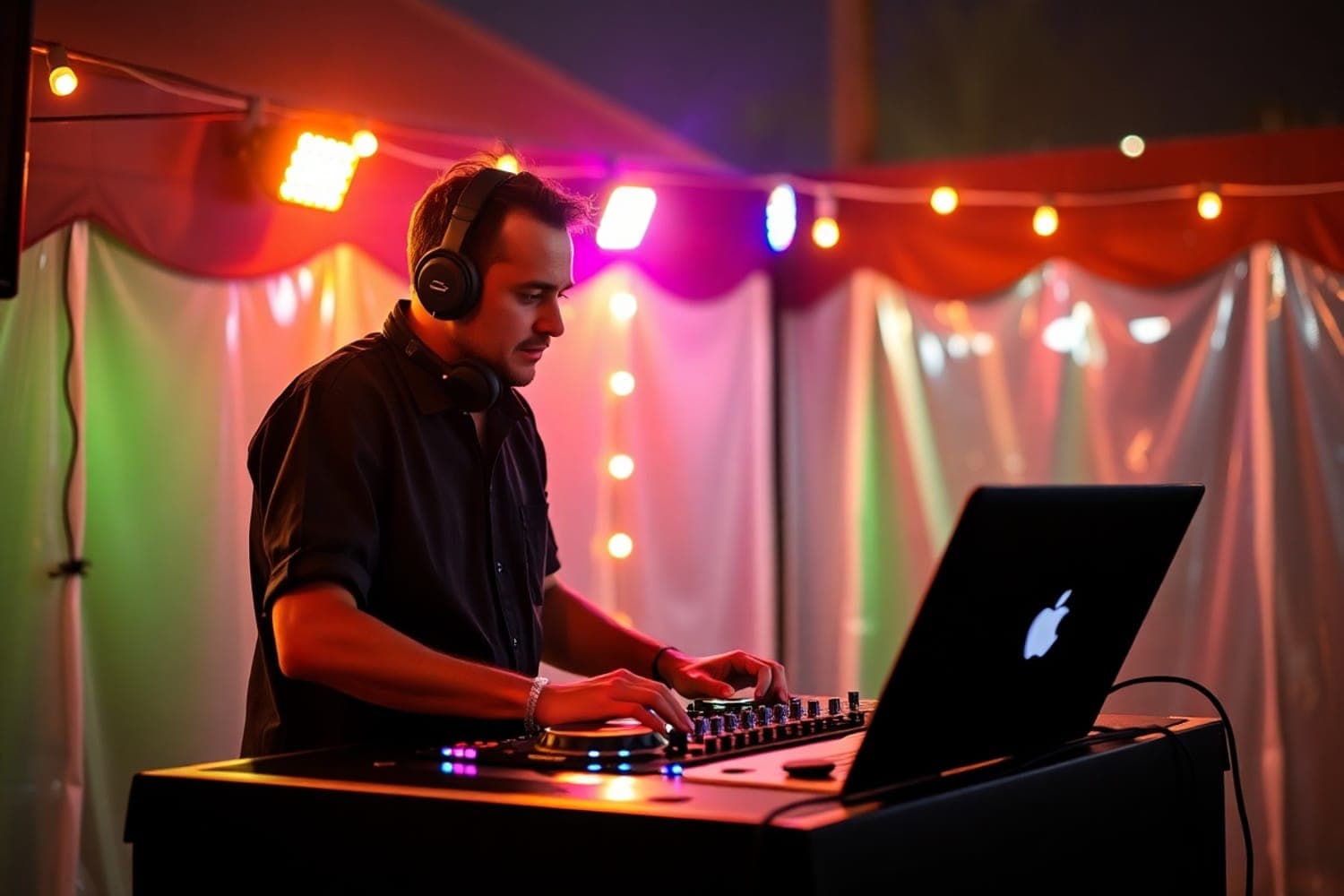
A mobile DJ plays events in places with no DJ setup of their own, such as weddings, birthdays, company parties and school dances, and brings the whole system: decks or a controller, speakers, microphones and often lights. As well as mixing, they run the room, playing for a mixed crowd, taking requests and handling announcements, and they set up and pack down safely.
How it differs from club DJing
A club DJ plugs into the players, mixer and sound system already in the venue's DJ booth. A mobile DJ supplies all of that, so they carry more gear than a club DJ, not less, and are responsible for it being safe and working. The UK's South Eastern Discotheque Association, a trade body for mobile DJs, sets out what that means in its code of practice: reliable, tested equipment set up securely, sound kept within the system's limits for the room, speech that guests can understand, lighting suited to the venue, and arriving in time to start when agreed with the client.
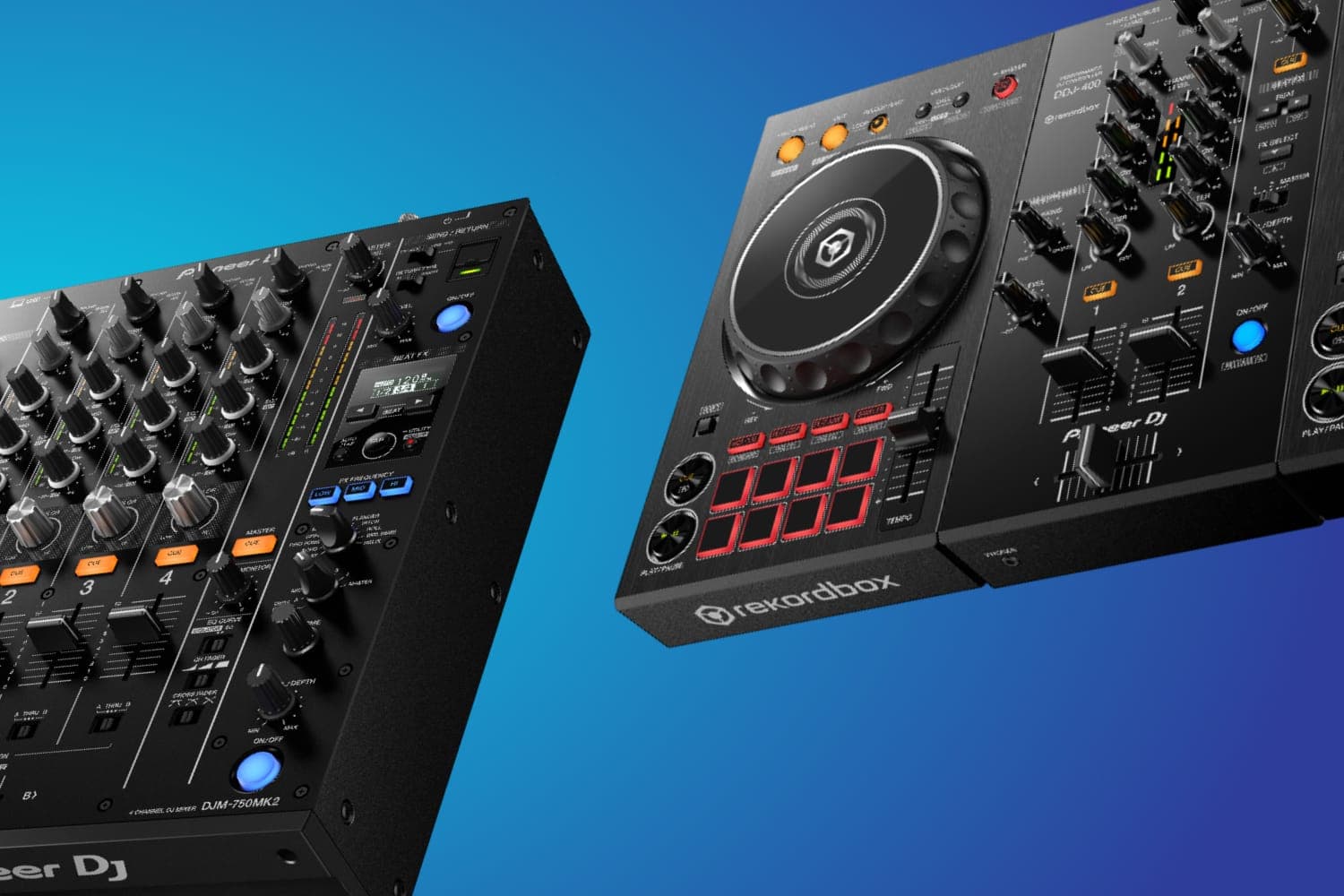
The music is different too. A wedding or birthday crowd spans ages and tastes, so a mobile DJ plays across genres and takes requests; SEDA expects its members to find any request in their collection within five minutes. rekordbox pitches its mobile and home features at the same job, with streaming services for answering requests across genres.
The gear
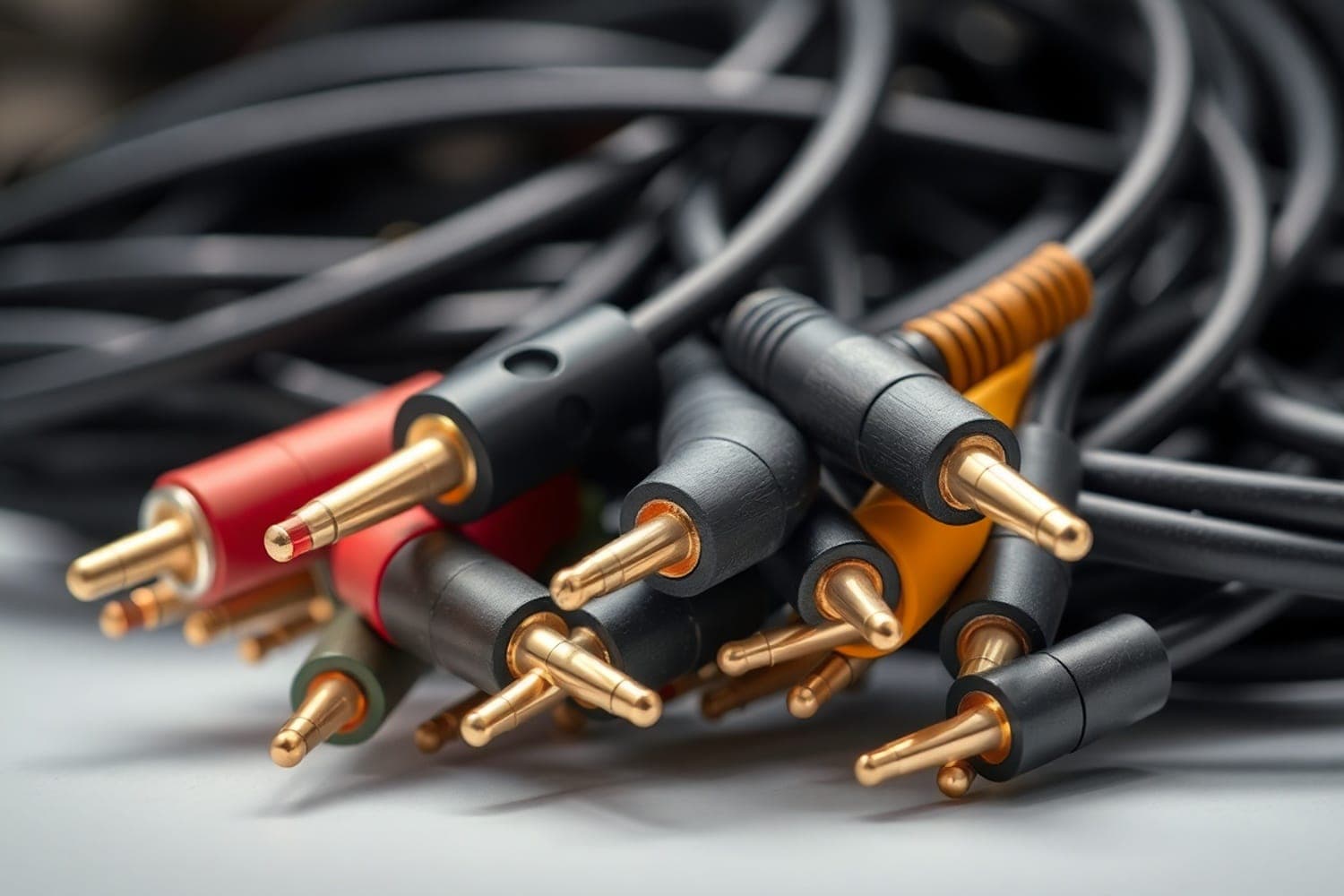
- Decks. A DJ controller and laptop, or players and a mixer. An XLR master output plugs straight into PA speakers; an RCA-only controller needs adapter cables, as the best XLR cables explains.
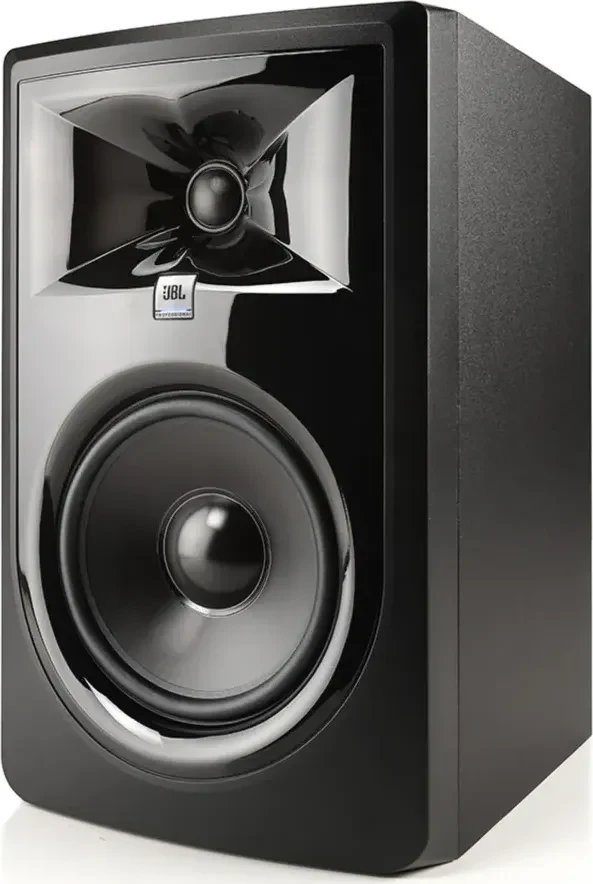
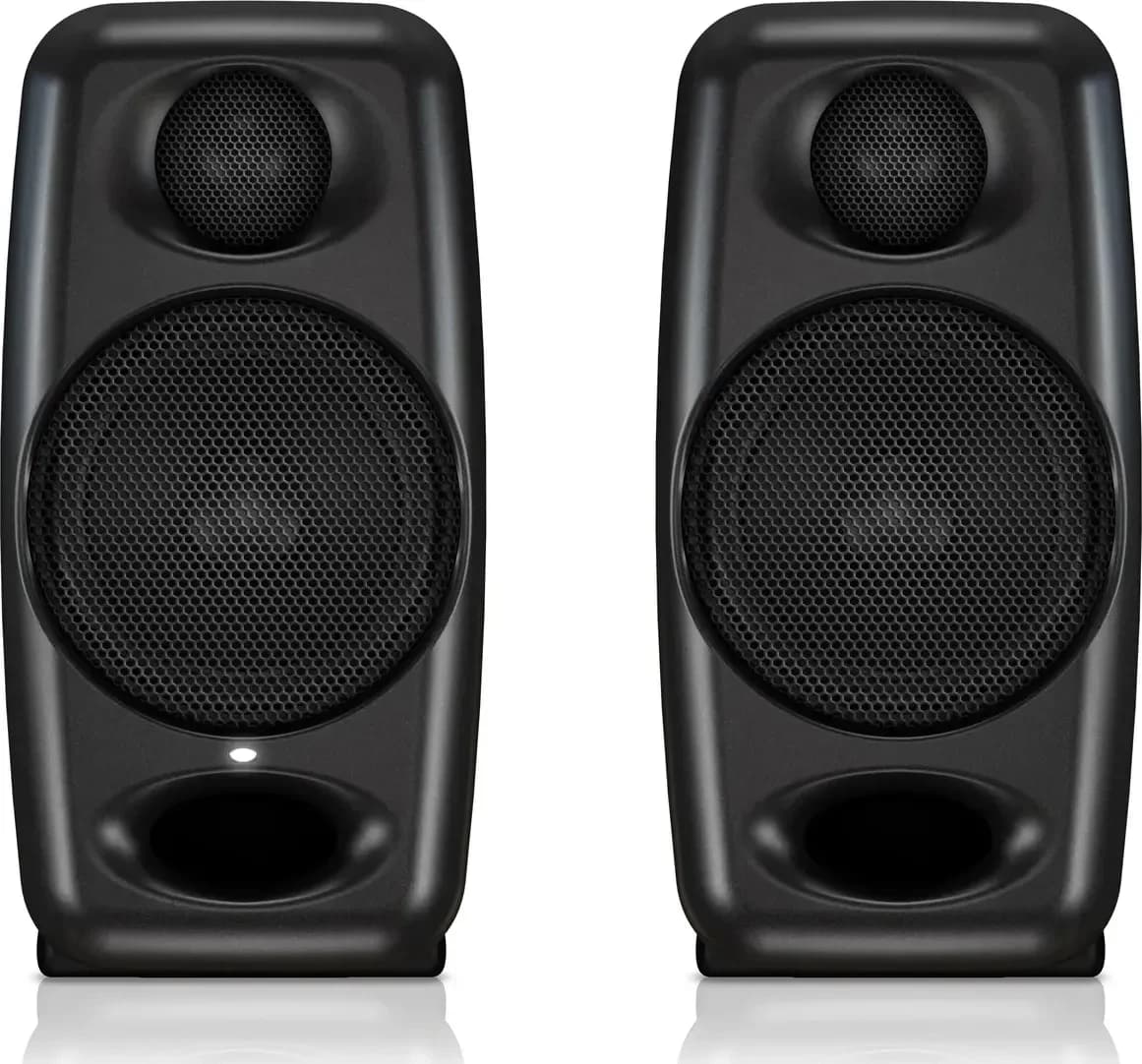
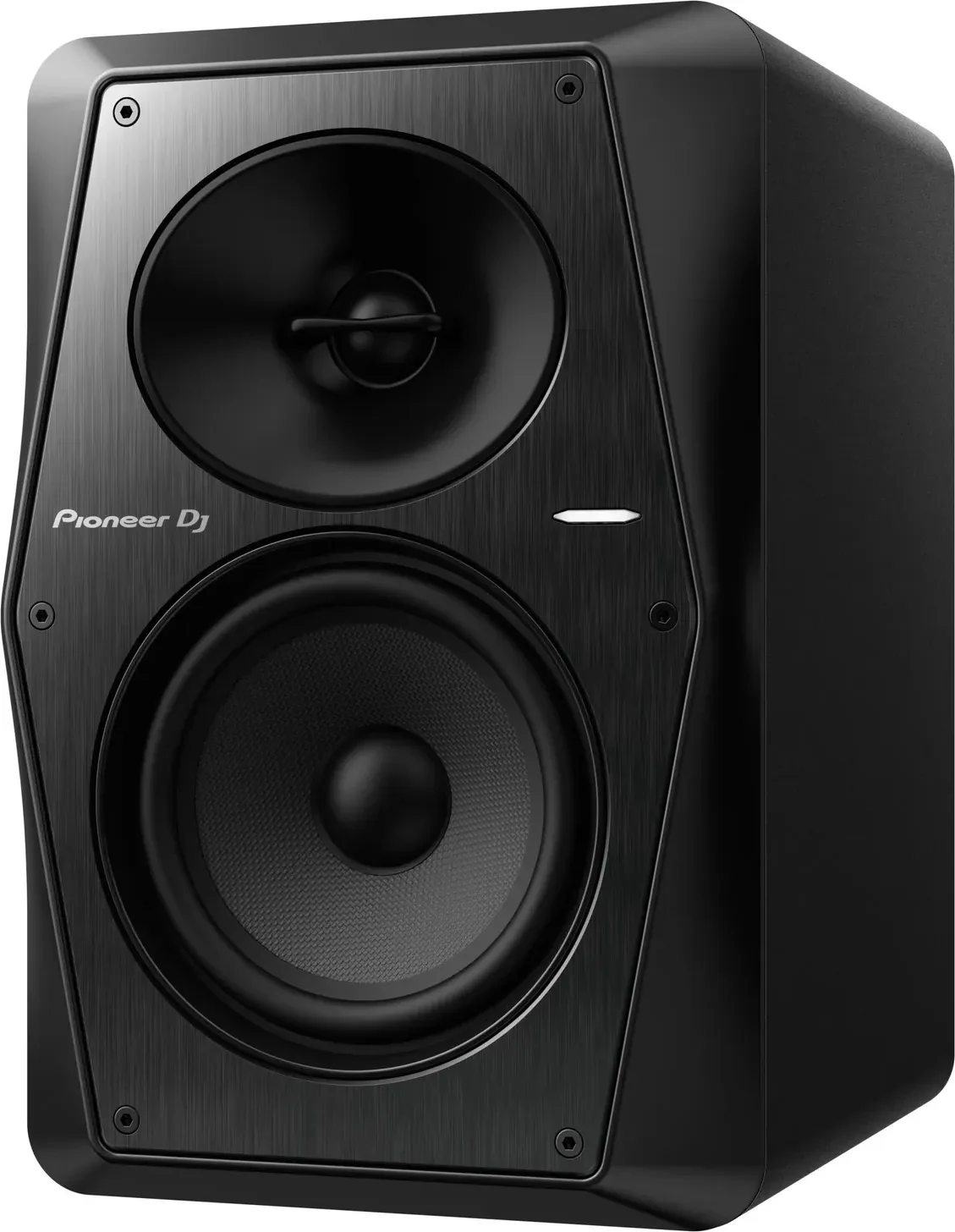
- Speakers. For a function room, a pair of powered PA speakers on stands is the flexible choice. Pro Mobile's reviewer judged a pair of QSC K12.2s enough for a 150 to 200 guest wedding without a subwoofer. A battery speaker covers small gigs with no socket nearby. See the best portable PA systems and the best powered speakers.
- Microphones. Weddings and functions need a mic for speeches and announcements. If it is wireless, check the frequency band is legal where you play; the best budget wireless microphones covers the US and UK rules and why 2.4 GHz systems avoid them.
- Headphones. Not optional: you cue the next track in them while the room hears the current one. See the best DJ headphones.
- A table and somewhere to carry it all. A folding table or fold-out stand holds the decks; the best DJ tables compares sizes and load ratings, and the best DJ backpacks match bags to controllers.
- Lights, where the client wants them, secured where they could fall; see DJ lighting.
Insurance, safety and venue rules
Rules vary by country and venue, so ask each venue what it needs. In the UK, SEDA's code asks members to have:
- public liability insurance of at least £1 million
- equipment that is portable appliance tested (PAT)
- a fire extinguisher suitable for electrical fires and a 13 A mains socket tester
- leads and cables secured and taped down where needed
Some venues fit a noise limiter that cuts the power to a performer's own equipment when the sound passes a set level. The HSE's guidance for music venues, Sound advice, tells performers who bring their own amplification to ask whether a limiter is set, what type it is and how it will affect the performance. The HSE notes that this kind of limiter cuts the sound off abruptly, so find out before you set up.
Running the event
Agree the plan with the client in writing: start and finish times, key moments such as entrances, speeches and the first dance, and any songs they want or don't want. SEDA lists contracts among the basic paperwork, alongside keeping accounts for tax. On the night, the mic work matters as much as the mixing: announcements have to be clear enough for the whole room to understand. Dress for the event.
How this page is made
The facts on this page come from the trade body code, HSE guidance, software maker page and magazine review linked above, read on 12 October 2026, and from the site's guides to each piece of gear. We haven't tested any of this kit for this page. The methodology explains how the site works.