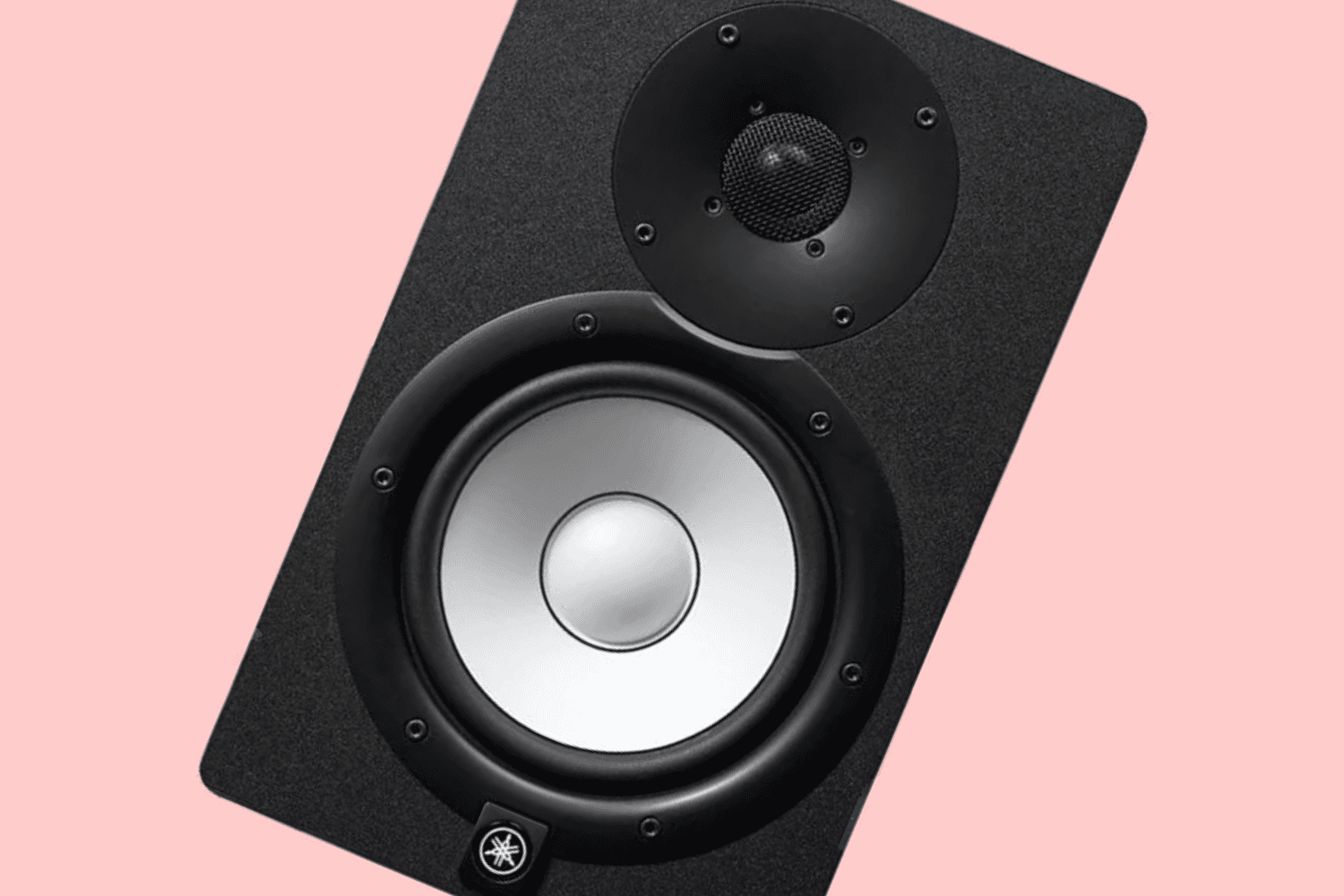
Powered speakers simplify your DJ setup. Unlike passive speakers that need a separate amplifier, active speakers have everything built in — plug them into power, connect your controller, and play. No amp matching, no extra cables, no compatibility headaches.
For DJs, the right powered speaker depends on how you use it. Home practice needs accuracy at low volumes. House parties need enough power to fill a room. Mobile gigs need portability without sacrificing sound quality. We've tested active speakers across these use cases and picked the best options for DJs at every level.
What to Look For
Before choosing powered speakers, understand these key factors.
Power output (watts). Wattage determines how loud your speakers can play before distorting. For bedroom practice, 50W is enough. For small events, look for 200W+. For larger venues, you'll want 500W+ with a subwoofer. Pay attention to RMS (continuous) wattage rather than peak — RMS reflects real-world output.
Speaker size. The woofer diameter affects bass response. 8-inch speakers suit home use and small rooms. 10-inch speakers handle mid-sized venues. 12-inch and above are built for larger spaces and outdoor events. Bigger speakers are heavier — factor in portability.
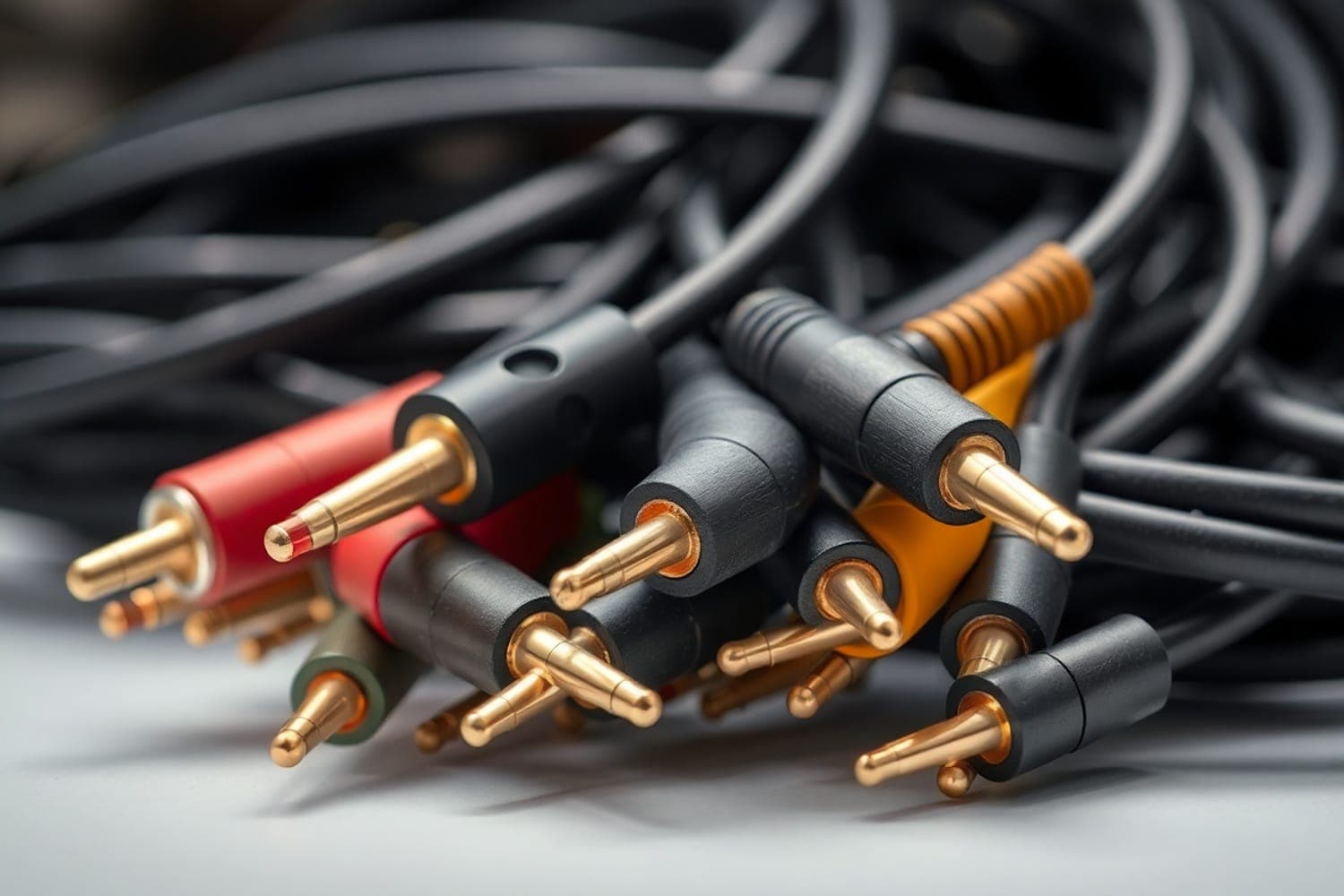
Connectivity. Balanced XLR and TRS connections deliver the cleanest signal from your DJ gear. RCA works but is noisier over distance. Bluetooth is convenient for casual playback but adds latency — avoid it for live mixing.
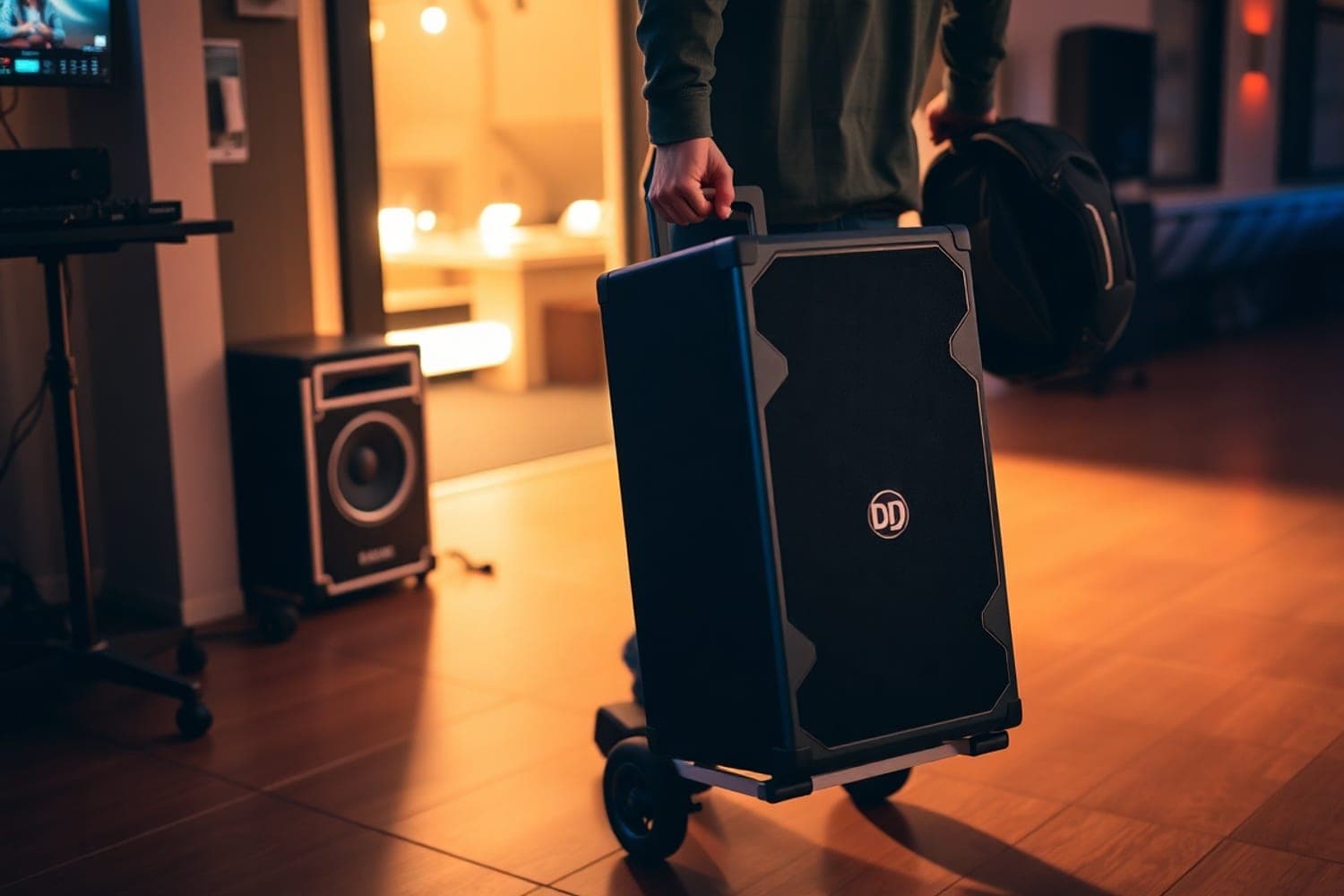
Portability. If you're a mobile DJ, weight and carrying options matter as much as sound quality. Look for speakers with built-in handles, pole-mount sockets, and reasonable weight.
1. Behringer Eurolive B210D
Best Budget
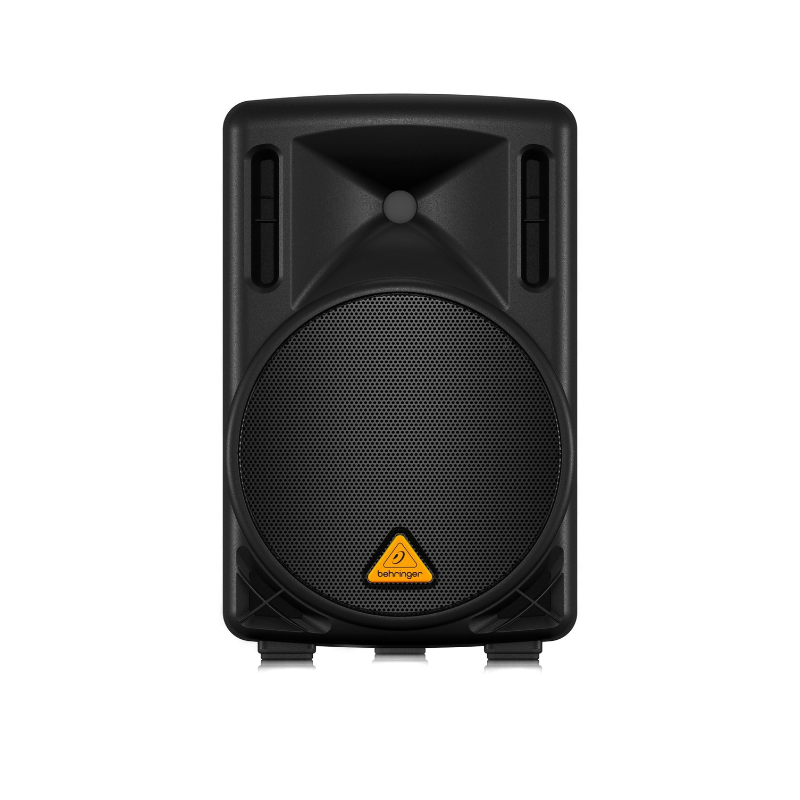
| Spec | Detail |
|---|---|
| Type | 2-way active |
| Power | 200W peak |
| Woofer | 10-inch |
| Frequency Response | 65Hz – 20kHz |
| Weight | Under 19 lbs |
The Behringer Eurolive B210D delivers an impressive power-to-weight ratio at a price that's hard to argue with. At under 19 lbs, it's one of the lightest 10-inch active speakers available — easy to carry to gigs single-handed. The 200W peak output fills small to medium rooms without breaking a sweat.
The full 65Hz–20kHz frequency range covers the spectrum you need for DJing, and the sound is clean and defined at reasonable volumes. Versatile mounting options (pole socket, floor wedge, wall mount) let you adapt to different venues.
The two-band EQ is basic and the design is visually uninspired. But for DJs on a budget who need reliable active speakers they can carry anywhere, the B210D is the best value in this category.
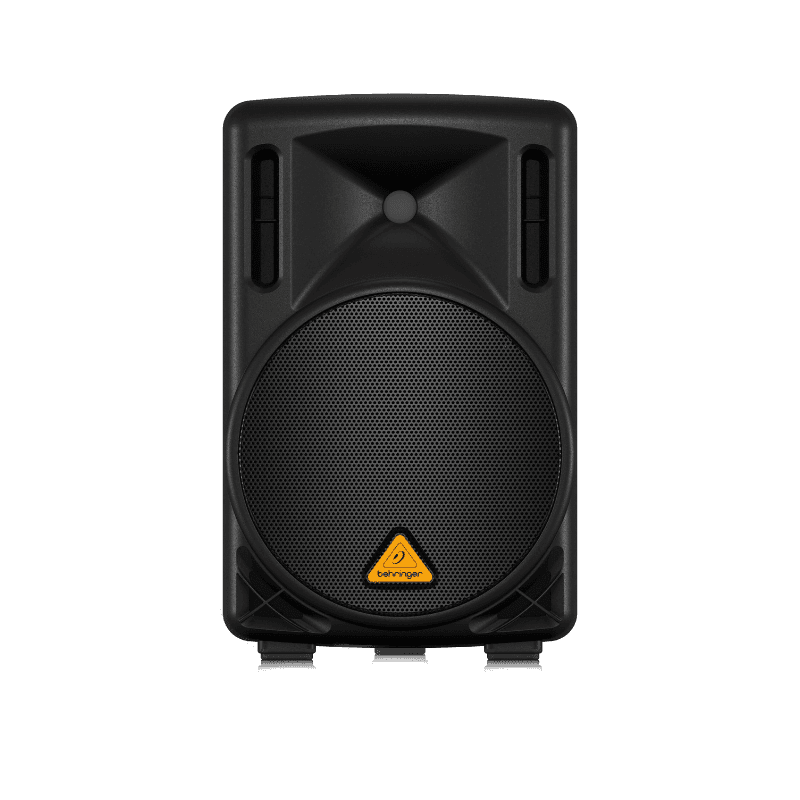
Behringer Eurolive B210D
Budget-friendly PA with Class D power — lightweight, durable, and surprisingly capable.
2. Mackie Thump GO
Best Portable
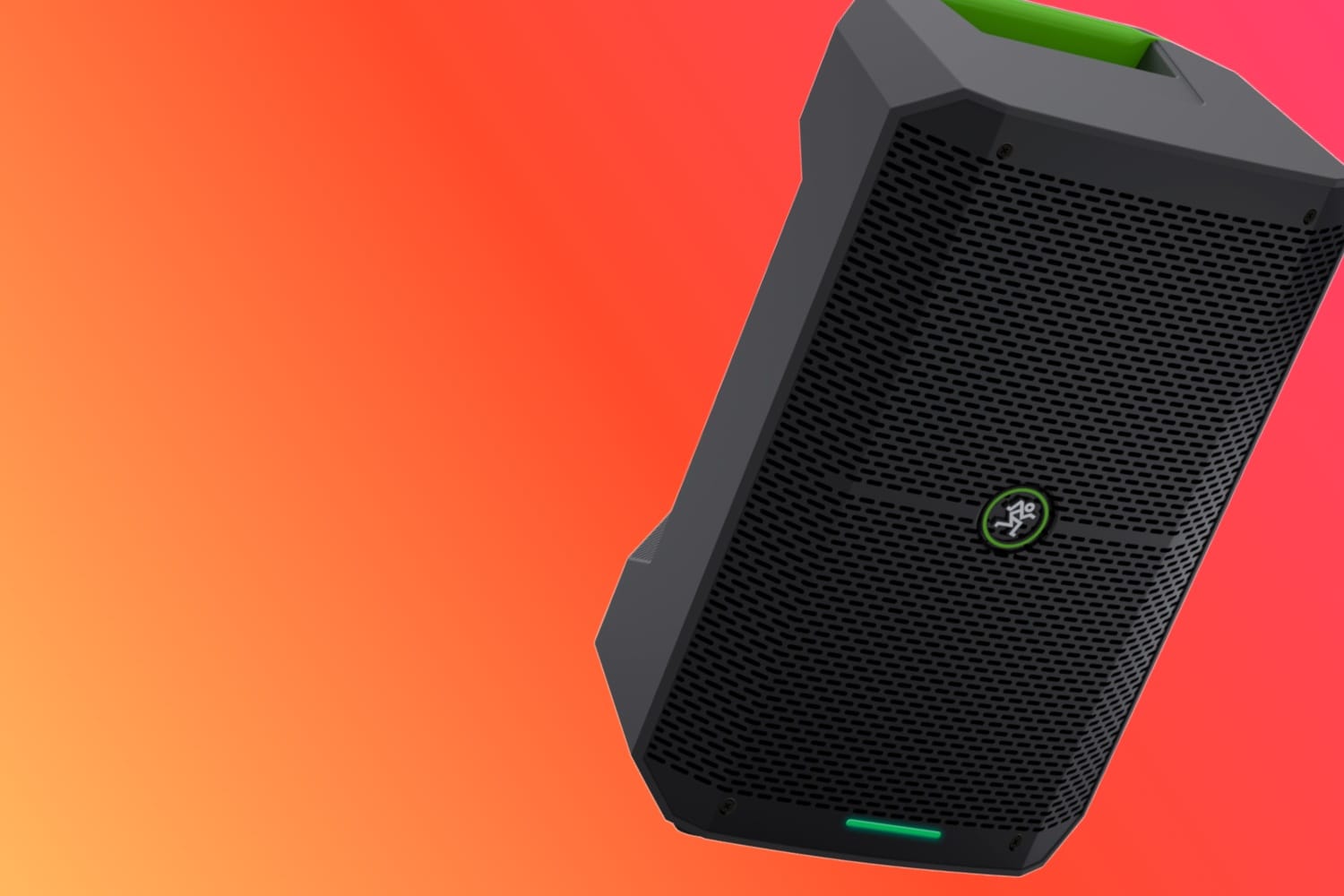
| Spec | Detail |
|---|---|
| Type | Battery-powered PA |
| Modes | PA, Music, DJ, Monitor |
| Mixer | Built-in with app control |
| Battery | Rechargeable |
| Weight | 17.6 lbs |
The Mackie Thump GO is a battery-powered portable speaker built for mobile DJs. Multiple audio modes (PA, Music, DJ, Monitor) let you optimise the sound profile for different scenarios, and the built-in mixer handles multiple inputs without external gear. The Thump Connect2 app gives you remote EQ control from your phone.
The rugged moulded case handles drops and transport abuse. At 17.6 lbs with a rechargeable battery, you can run a small outdoor event without power outlets or heavy equipment. Vertical, horizontal, and tripod mounting give you placement flexibility.
Bluetooth audio latency is noticeable — don't use it for live mixing. Battery life is shorter than you'd want for all-day events. But as a grab-and-go speaker for mobile DJs who need PA-level sound without the PA-level setup, the Thump GO is excellent.
Mackie Thump GO
All in all, when it comes down to Mackie’s Thump Go speakers, they are awesome, well-rounded, the speaker that is great...
Other Powered Speakers Worth Considering
Electro-Voice Evolve 50 — a column-array PA system with a 12-inch subwoofer and eight 3.5-inch drivers. Compact, powerful (1,000W), and great for small to medium venues. The column design provides even sound coverage without hot spots. Comes with a carrying bag for easy transport.
Bose L1 Pro8 — an all-in-one portable PA with a 60W class D amplifier, 240W subwoofer, and 118dB peak SPL. The built-in 3-channel mixer and Bluetooth streaming make it ideal for solo performers and mobile DJs. Extremely portable at the expense of some structural rigidity.
PreSonus Eris E3.5 — compact powered desktop speakers that work brilliantly as a home DJ practice setup. 25W per speaker, 80Hz–20kHz frequency response, and multiple connectivity options. Not built for gigs, but excellent as desk monitors paired with a DJ controller. Read our review.
Edifier S1000W — wireless bookshelf speakers with impressive near-field accuracy. Great for home studios and desktop setups where you want Wi-Fi streaming alongside wired inputs. The mid-range clarity is a standout.
FAQs
What is the difference between powered and passive speakers?
Powered (active) speakers have a built-in amplifier — plug them in, connect a source, and play. Passive speakers require a separate external amplifier. Powered speakers are simpler to set up and typically more cost-effective for DJs, since you don't need to buy and match an amplifier separately.
Can I use powered speakers for DJing at home?
Yes. Powered speakers are ideal for home DJ setups because they're self-contained. Connect them to your controller's master output via XLR or TRS cables and you're ready to play. For bedroom practice, even a small powered speaker pair will deliver more than enough volume.
How many watts do I need for a DJ setup?
For home practice, 50–100 watts per speaker is plenty. For house parties and small events (up to 50 people), aim for 200–500 watts total. For larger venues (100+ people), you'll want 500–1000+ watts combined, ideally with a subwoofer to handle low frequencies.
Do I need a subwoofer with powered speakers?
For home use and small events, most powered speakers handle bass adequately on their own. If you play bass-heavy music (drum and bass, dubstep, hip-hop) at larger volumes, a powered subwoofer will extend your low-end response and take pressure off your main speakers, resulting in cleaner overall sound.
What connections do DJ speakers need?
Most DJ controllers output via balanced XLR or TRS (1/4-inch) cables. Look for powered speakers with XLR and/or TRS inputs for the cleanest signal. Some speakers also accept RCA (unbalanced), which works but is more susceptible to noise over longer cable runs.
Verdict
The Behringer Eurolive B210D is the best value powered speaker for DJs. Its 200W output and lightweight design deliver reliable sound for practice and small gigs at a price that makes it easy to justify as a first pair of active speakers.
For mobile DJs who need battery-powered portability, the Mackie Thump GO is purpose-built for grab-and-go events where power outlets aren't guaranteed. Its multiple audio modes and app-controlled EQ add real flexibility.
For home studios, consider the PreSonus Eris E3.5 for desk monitoring, or browse our best 5-inch studio monitors guide for more options. For larger events, check our best portable PA system guide.