

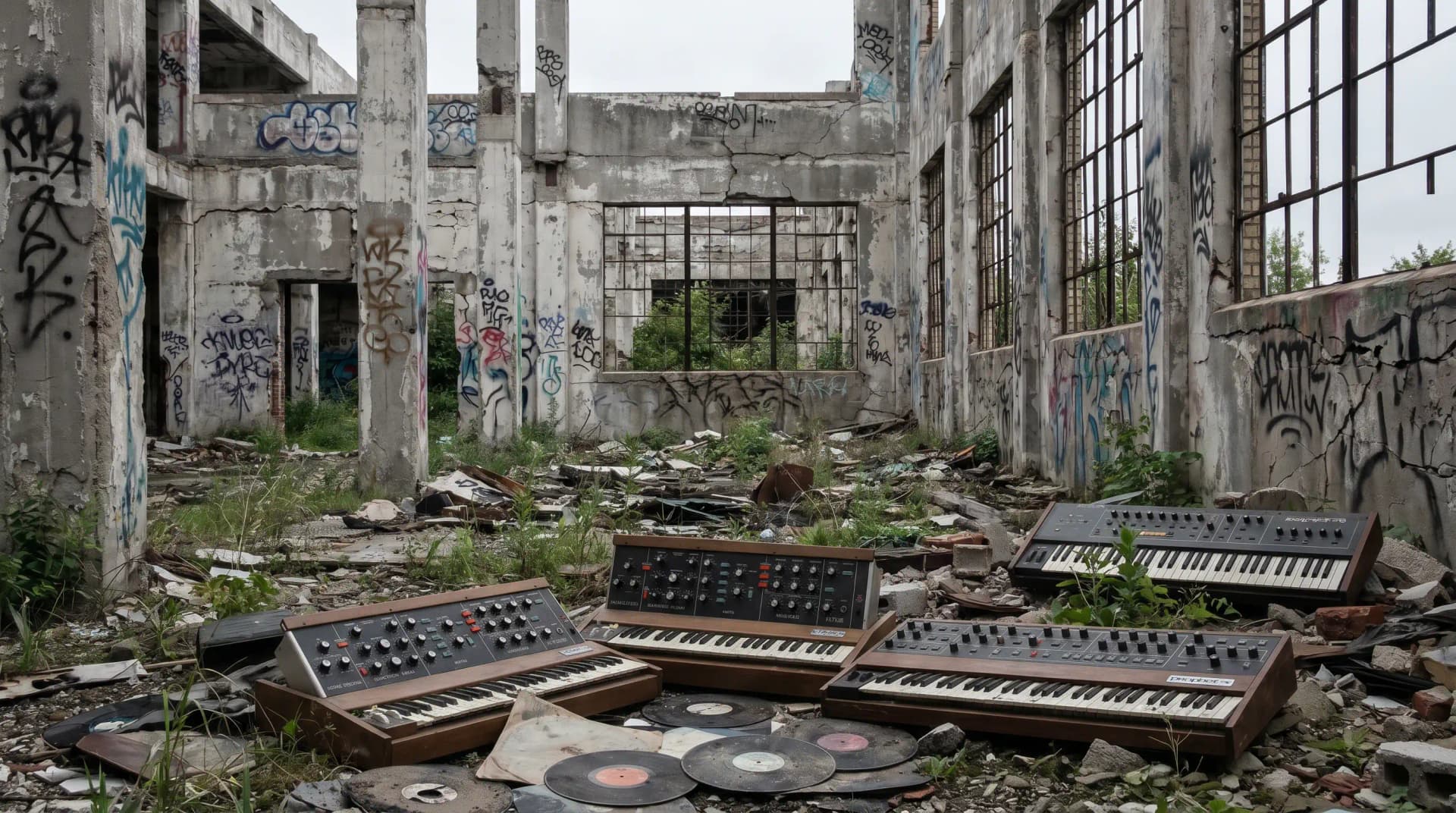
Detroit's incoming mayor has stopped a $50 million redevelopment project that would have created a dedicated electronic music museum near the city's iconic Packard Automotive Plant ruins, according to Mixmag.
The project, first announced in December, aimed to transform the area surrounding the abandoned industrial site into a cultural district celebrating Detroit's foundational role in electronic music history. The plans included museum space, performance venues, and community facilities.
Project Details and Timeline
The redevelopment proposal targeted the blocks adjacent to the Packard Plant, a 3.5 million square foot facility that has stood vacant since 1958. The site has become an unofficial symbol of Detroit's industrial decline, though it continues to attract urban explorers and photographers.
The museum component was designed to document Detroit techno's origins through the work of the Belleville Three—Juan Atkins, Derrick May, and Kevin Saunderson—alongside exhibitions on the city's broader electronic music legacy. Plans also included artist residencies and educational programming.
Previous city administration had green-lit the project with a combination of public funding and private investment, but the new mayor's office has declined to proceed with municipal support.
Community Response
Local electronic music advocates have expressed frustration with the decision. Detroit techno preservationists argue the city lacks adequate infrastructure to honor its role in creating one of the most influential genres in contemporary music.
"Detroit invented techno, but we've never had a permanent space that tells that story properly. This was finally going to change that." — Community organizer quoted by Mixmag
The Packard Plant site itself has been the subject of multiple failed redevelopment attempts over six decades. Current ownership remains in private hands, with various proposals for mixed-use development, demolition, and historic preservation circulating since the 1990s.
What Happens Next
No alternative plans for the museum have been announced. The mayor's office has not provided specific reasons for halting the project, though budget constraints and competing development priorities appear to be factors.
Detroit continues to host Movement Electronic Music Festival annually, drawing tens of thousands of attendees to Hart Plaza each Memorial Day weekend. The city maintains several smaller venues and record shops that serve the local techno community, but lacks a central museum or archive comparable to facilities in other cities with significant musical heritage.
The status of private funding commitments for the project remains unclear. Several donors and investors had pledged support contingent on municipal participation in the redevelopment.